
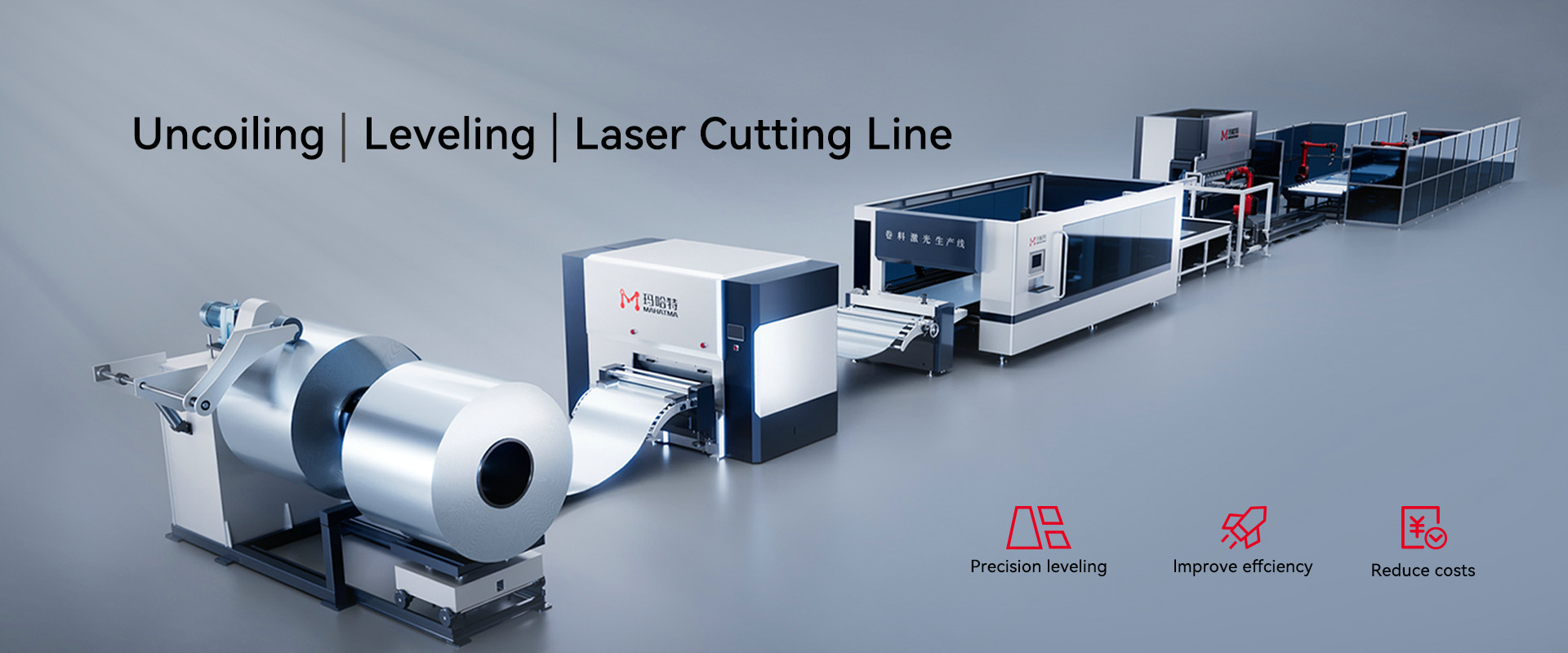



Artificial intelligence(AI)is rapidly reshaping the future of manufacturing,driving the evolution of the Automated Smart Factory.By integrating AI technologies into production environments,manufacturers are moving beyond traditional automation toward fully connected,adaptive,and data-driven operations.This transformation is at the heart of modern Smart Factory and Smart Manufacturing strategies.
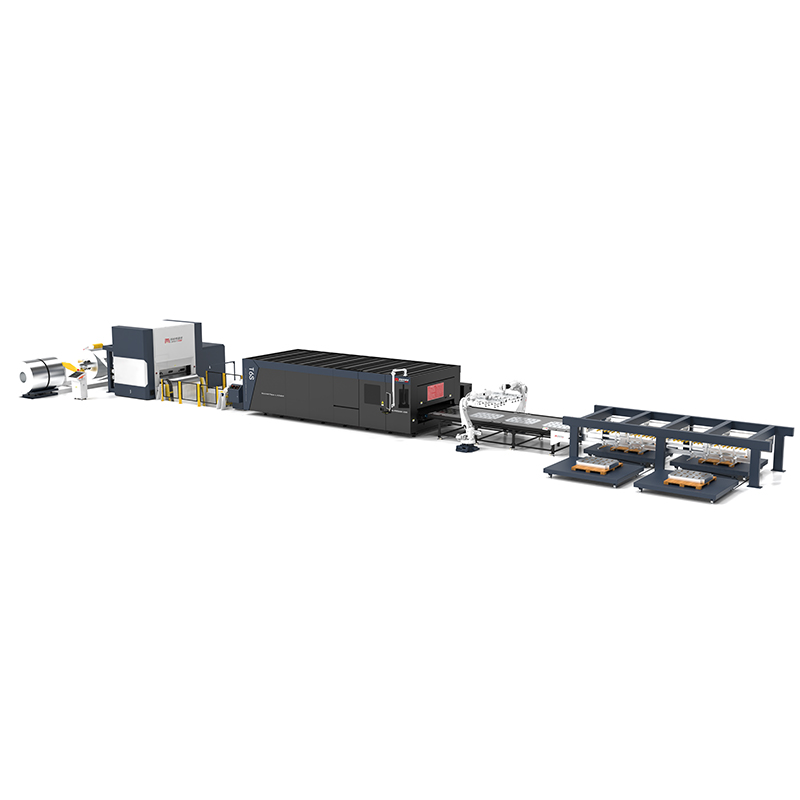
In a typical Automated Smart Factory,AI is used to collect,analyze,and act on real-time data from machines,sensors,and production systems.Unlike conventional automation,which relies on predefined rules,AI enables systems to learn from historical data and continuously optimize performance.This capability allows factories to respond dynamically to changes in demand,material conditions,and equipment performance.
One of the most significant impacts of AI is in predictive maintenance.By analyzing equipment data,AI algorithms can identify early signs of wear or failure,helping manufacturers avoid unexpected downtime.This not only improves equipment reliability but also reduces maintenance costs,making the Automated Manufacturing System more efficient and resilient.
AI also plays a crucial role in quality control.In an Intelligent Factory,machine vision systems powered by AI can inspect products at high speed and with exceptional accuracy.These systems detect defects that may be invisible to the human eye,ensuring consistent product quality while minimizing waste and rework.As a result,manufacturers can maintain high standards while increasing production throughput.
Another key advantage of AI in Smart Manufacturing is process optimization.AI can analyze vast amounts of production data to identify inefficiencies and recommend improvements.For example,it can optimize production scheduling,balance workloads across machines,and reduce energy consumption.This leads to higher productivity and lower operational costs,giving companies a competitive edge.
Furthermore,AI enhances supply chain integration within the Smart Factory.By predicting demand patterns and coordinating with inventory systems,AI helps ensure that materials are available when needed without overstocking.This level of coordination supports just-in-time manufacturing and improves overall supply chain efficiency.
As industries continue to adopt digital transformation,the role of AI in the Automated Smart Factory will only grow.From enabling real-time decision-making to supporting autonomous operations,AI is turning traditional factories into fully Intelligent Factory environments.Businesses that embrace AI-driven Automated Manufacturing Systems will be better positioned to achieve higher efficiency,improved quality,and sustainable growth.
In conclusion,AI is not just an upgrade—it is a fundamental driver of change in the Smart Manufacturing landscape.By transforming how factories operate,AI is paving the way for smarter,more agile,and highly efficient production systems.