



Transforming a traditional factory into an Automated Smart Factory is a strategic move that allows manufacturers to improve efficiency,reduce costs,and stay competitive in today’s market.By integrating advanced technologies and data-driven processes,businesses can transition from manual operations to fully optimized production systems.
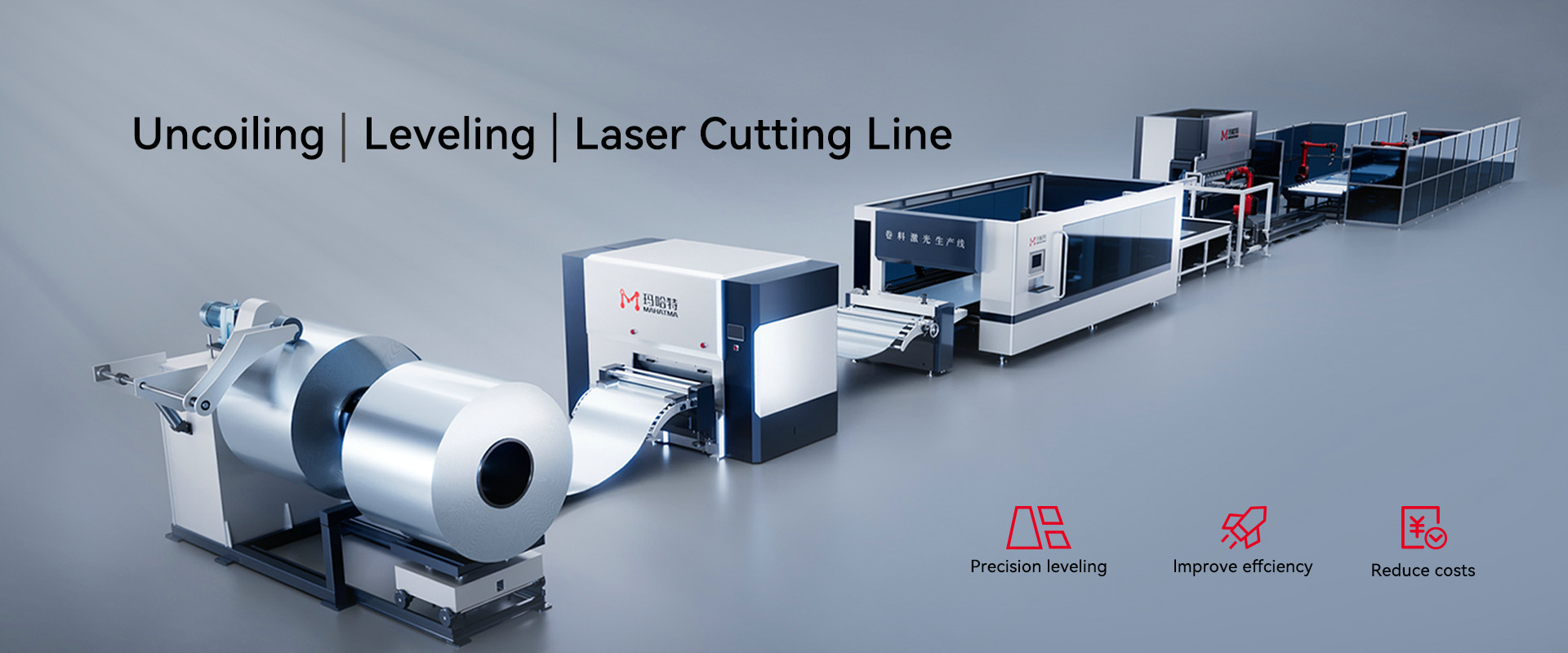
The first step is to assess the existing production line and identify areas where automation can bring the most value.Implementing factory automation such as robotic arms,automated conveyors,and CNC machines can eliminate repetitive tasks,minimize human error,and increase throughput.Combining these tools with sensors and real-time monitoring creates a foundation for a more intelligent workflow.
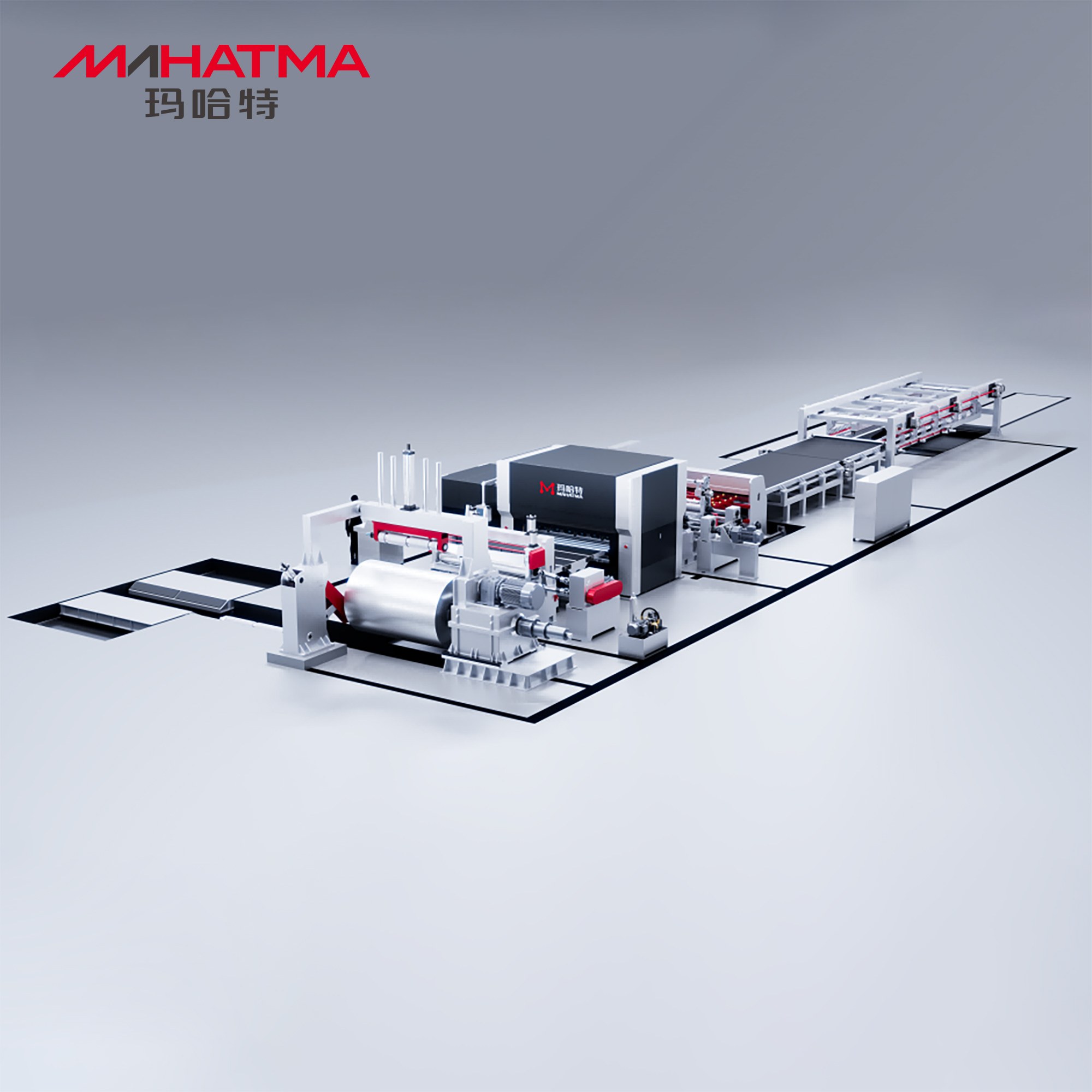
Next,consider adopting digital factory solutions.This includes integrating enterprise software such as MES(Manufacturing Execution System)and ERP(Enterprise Resource Planning)to manage operations,track inventory,and optimize scheduling.These digital tools enable seamless communication between machines,operators,and management,ensuring that production data is accessible and actionable.
An intelligent factory goes beyond simple automation by incorporating artificial intelligence,predictive maintenance,and IoT connectivity.Smart sensors collect data on machine performance,product quality,and energy usage,allowing for proactive adjustments and reducing downtime.AI-driven analytics can also forecast production trends and optimize resource allocation for maximum efficiency.
Building a fully automated factory requires careful planning,training,and phased implementation.Start with pilot projects on critical lines,evaluate results,and gradually expand automation across all processes.This approach reduces risk,ensures smooth adoption,and allows employees to adapt to new technologies effectively.
In conclusion,transforming a traditional factory into an automated smart factory requires a combination of factory automation,digital integration,and intelligent systems.By adopting digital factory tools,establishing an intelligent factory environment,and gradually implementing automation,manufacturers can achieve higher productivity,improved quality,and sustainable growth in the modern industrial landscape.