



Starting a product line is one of the most important steps for manufacturers and entrepreneurs who want to scale their business, enter new markets, or offer higher-value services. Whether you are launching a small workshop or expanding into industrial manufacturing, understanding how to build a production line from the ground up is critical.
This guide explains how to start a product line step by step, with a strong focus on production equipment, Laser Cutting technology, and Sheet Metal fabrication services, helping you make informed decisions from planning to execution.
1. Understanding What a Product Line Is
A product line is a group of related products produced using similar materials, processes, and equipment. In manufacturing, a product line is closely tied to a production line, which defines how raw materials are processed, assembled, and finished.
When starting a product line, companies must consider:
Target market demand
Production capacity
Equipment investment
Skill requirements
Long-term scalability
A clear product line strategy helps avoid wasted resources and ensures consistent quality.
2. Define Your Market and Product Focus
Before investing in any production equipment, the first step is market research.
Ask yourself:
What problem does the product solve?
Who is the target customer?
Is the product standardized or customized?
What level of precision and quality is required?
For example, businesses entering Sheet Metal Fabrication service markets often focus on industries such as automotive, construction, electronics, or machinery. This decision directly impacts the type of laser cutting service and equipment you will need.
3. Designing the Production Line Layout
Once the product focus is clear, the next step is designing the production line.
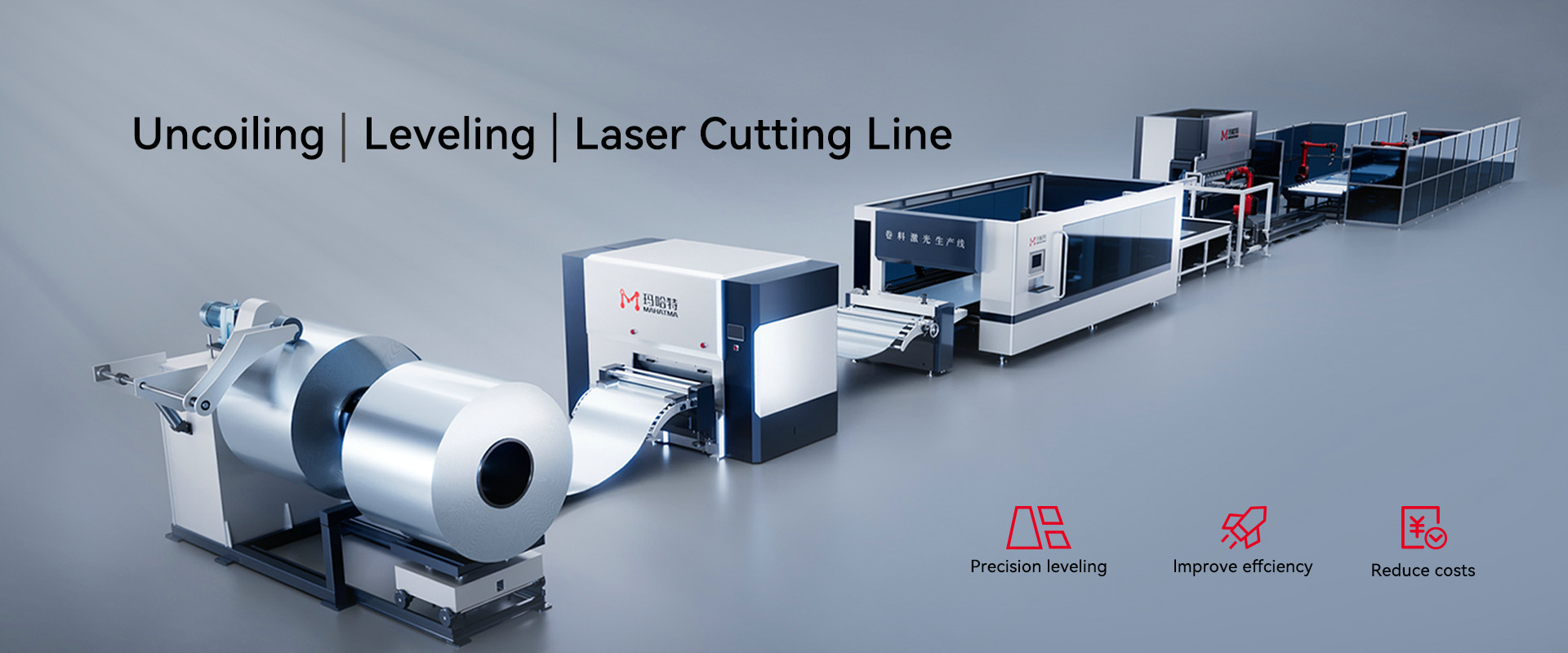
A typical laser-based production line may include:
Material storage
Cutting or forming process
Secondary processing
Surface finishing
Inspection and packaging
An efficient layout reduces material handling time and improves overall productivity. For companies offering custom laser cutting, flexibility in the production line is especially important.
4. Choosing the Right Production Equipment
Selecting suitable production equipment is the backbone of a successful product line. Equipment decisions should be based on production volume, material type, and required accuracy.
4.1 Laser Cutting Machine as Core Equipment
For many modern manufacturing businesses, a laser cutting machine is the core asset of the production line. Laser technology offers:
High precision
Clean cutting edges
Minimal material waste
Fast processing speed
A laser machine can handle various materials such as stainless steel, aluminum, carbon steel, and even plastics, making it ideal for flexible product lines.
4.2 Industrial vs Small Business Laser Cutters
Your business size determines the type of laser system you need.
Best laser cutter for small business: Compact, affordable, and easy to operate. Ideal for startups, prototyping, and low-volume orders.
Industrial laser cutter: Designed for high-speed, continuous operation with thicker materials and larger working areas.
Choosing the right system ensures your production line matches your actual demand rather than overinvesting too early.
5. Laser Cutting in Sheet Metal Fabrication
Laser technology plays a key role in sheet metal fabrication.
A well-designed sheet metal fabrication service production line often includes:
Laser cutting
Bending and forming
Welding or fastening
Surface treatment
Laser cutting enables tight tolerances and complex geometries, which are increasingly demanded in modern fabrication projects.
5.1 Custom Laser Cutting Capabilities
Many customers now prefer custom laser cutting over standard parts. This requires:
CAD/CAM integration
Fast setup changes
Skilled operators
Building customization into your product line increases competitiveness and allows higher profit margins.
6. Expanding Services with Laser Engraving
Adding a laser engraver and cutter to your production line allows you to expand into branding, marking, and personalization.
A laser engraver & cutter can:
Add logos and serial numbers
Create decorative patterns
Improve product traceability
This is especially valuable for manufacturers serving electronics, promotional products, and precision components.
6.1 Best Laser Cutter for Beginners
For new businesses, choosing the best laser cutter for beginners is crucial. Key factors include:
User-friendly software
Safety features
Low maintenance
Training support
Starting with beginner-friendly equipment reduces learning curves and production errors during early stages.
7. Tube Laser Cutting for Advanced Product Lines
If your product line includes frames, structures, or tubular components, tube laser cutting services become essential.
Tube laser cutting offers:
Precise cuts on round, square, or rectangular tubes
Complex joint designs
Reduced post-processing
Integrating tube laser cutting into your production line opens opportunities in furniture, construction, fitness equipment, and automotive industries.
8. Building a Flexible Laser Cutting Service Model
Many successful manufacturers start by offering laser cutting service rather than producing finished products immediately.
A service-based model allows you to:
Generate cash flow quickly
Learn customer requirements
Optimize Production Efficiency
Over time, this experience helps refine your product line and transition into higher-value manufacturing.
9. Workforce and Skill Development
Even the best production equipment requires skilled operators.
Key roles include:
Laser machine operators
CAD/CAM engineers
Quality inspectors
Maintenance technicians
Investing in training ensures consistent output and reduces downtime in the production line.
10. Quality Control in the Production Line
Quality control must be integrated from the beginning.
Effective practices include:
In-process inspection
Dimensional measurement
Material traceability
For sheet metal fabrication laser operations, maintaining cut accuracy and surface finish is critical to customer satisfaction.
11. Scaling the Product Line
Once the product line is stable, scaling becomes the next goal.
Scaling strategies include:
Adding additional laser cutting machines
Automating material loading
Expanding into new materials or thickness ranges
Upgrading from small systems to an industrial laser cutter is a natural progression for growing businesses.
12. Cost Management and ROI Planning
Starting a product line requires careful financial planning.
Consider:
Initial equipment cost
Operating expenses
Maintenance and consumables
Labor costs
Laser systems often provide strong ROI due to high productivity and low material waste.
13. Marketing Your Product Line and Services
A strong online presence helps attract customers searching for:
Laser cutting service
Sheet metal fabrication service
Custom laser cutting
Clear descriptions of your production capabilities and equipment build trust and improve conversion rates.
14. Common Mistakes When Starting a Product Line
Avoid these common pitfalls:
Buying oversized equipment too early
Ignoring production workflow design
Underestimating training needs
Lack of quality control planning
Starting lean and scaling strategically leads to long-term success.
15. Conclusion: Turning Equipment into a Profitable Product Line
So, how to start a product line successfully? The answer lies in combining clear market focus, smart production line design, and the right production equipment. By leveraging technologies such as laser cutting machines, laser engravers and cutters, and advanced tube laser cutting services, businesses can build flexible, scalable, and profitable manufacturing operations.
Whether you begin with the best laser cutter for beginners or invest directly in an industrial laser cutter, a well-planned product line allows you to grow from simple laser cutting services into full-scale sheet metal fabrication and customized manufacturing solutions.