



The introduction of the assembly line was one of the most transformative moments in industrial history. It fundamentally changed how goods were produced, dramatically reducing production costs while increasing efficiency, consistency, and output. From early automotive factories to today’s advanced manufacturing environments that rely on Laser Cutting, CNC laser systems, and custom laser cutting services, the core principles of the assembly line continue to shape global manufacturing economics.
This article explores what effect the assembly line had on production costs, how it achieved cost reductions, and how its principles are still applied in modern processes such as metal laser cutting services and automated fabrication lines.
1. The Assembly Line: A Turning Point in Manufacturing History
Before the assembly line, products were typically manufactured by skilled workers who completed entire items by hand or in small teams. This method was slow, expensive, and inconsistent. The introduction of the moving assembly line—most famously implemented by Henry Ford in the early 20th century—revolutionized manufacturing.
By dividing production into a series of simple, repeatable tasks, the assembly line allowed workers to specialize in a single operation. This dramatically increased productivity and reduced the time required to produce each unit.
The immediate result was a significant reduction in production costs, making goods more affordable and accessible to the mass market.
2. How the Assembly Line Reduced Production Costs
2.1 Labor Efficiency and Specialization
One of the most important effects of the assembly line was improved labor efficiency. Workers no longer needed to master an entire production process. Instead, they focused on one specific task, reducing training time and labor costs.
This principle still applies today in automated workshops using laser cutting services or metal cutting services, where operators oversee specialized machines rather than performing manual cutting.
2.2 Faster Production Speed
The assembly line enabled continuous production flow. Instead of workers moving between workstations, products moved along the line. This minimized idle time and maximized throughput.
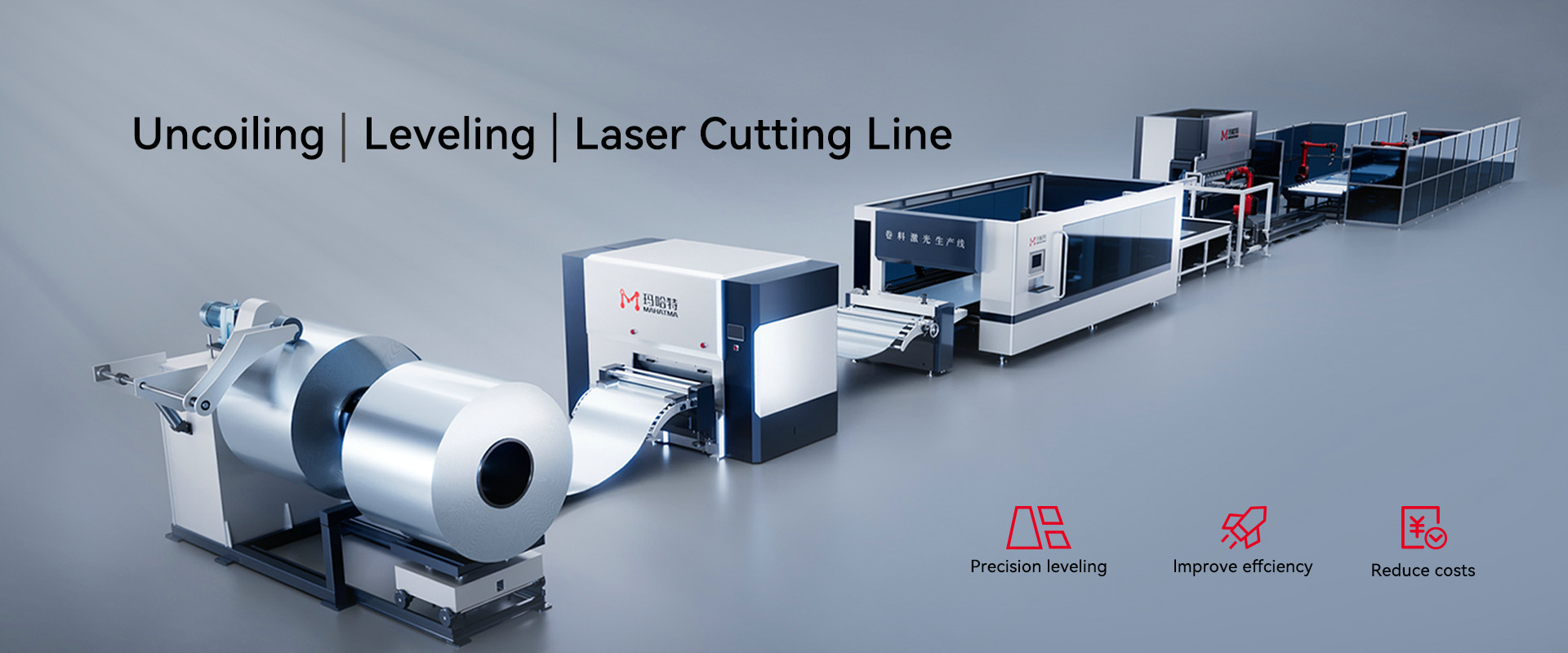
In modern factories, high-speed CNC laser systems and tube laser cutting services operate on similar principles—materials move automatically through cutting, engraving, and finishing stations, dramatically reducing cycle time.
2.3 Economies of Scale
As production volume increased, the cost per unit decreased. Fixed costs such as equipment, facilities, and management were spread across thousands or even millions of products.
Today, manufacturers offering metal laser cutting services benefit from the same economy of scale. High-capacity laser cutter engraver systems allow large batch production with consistent quality and low marginal cost.
3. Standardization and Cost Control
The assembly line promoted standardization of parts and processes. Standard components reduced waste, simplified inventory management, and lowered material costs.
Modern manufacturing extends this idea using digital precision tools. A best laser cutter and engraver can produce identical parts repeatedly with minimal variation, ensuring tight tolerances and reducing costly rework.
4. Reduced Material Waste
Traditional handcrafting often resulted in significant material waste due to inconsistent cutting and human error. The assembly line improved material utilization by standardizing processes.
Today, custom laser cutting and metal laser cutting service providers achieve even greater material efficiency. Advanced nesting software and precision cutting minimize scrap, further lowering production costs.
5. Impact on Product Pricing and Market Expansion
Lower production costs allowed manufacturers to reduce prices while maintaining profitability. This expanded consumer markets and increased demand, which in turn justified even greater production volumes.
For example, just as the assembly line made automobiles affordable to the average consumer, modern laser cutting services make high-precision metal and custom components accessible to small businesses and startups.
6. Automation: The Modern Evolution of the Assembly Line
While early assembly lines relied heavily on human labor, modern production lines integrate automation and advanced machinery.
Technologies such as:
CNC laser cutting
Automated material handling
Robotic loading and unloading
Integrated quality inspection
are direct descendants of assembly line principles. A modern metal cutting service may operate almost entirely autonomously, with operators supervising rather than performing manual tasks.
7. Assembly Line Principles in Laser Manufacturing
7.1 Laser Cutting in Production Lines
Laser cutting has become a cornerstone of modern assembly-line-based manufacturing. High-speed lasers cut metal, plastic, and composites with unmatched precision.
A professional laser cutting service integrates seamlessly into automated production lines, enabling:
Faster processing
Consistent part quality
Reduced labor costs
7.2 CNC Laser Systems and Cost Reduction
A CNC laser combines numerical control with laser technology, allowing fully automated cutting and engraving operations. This reduces dependency on skilled manual labor and improves repeatability.
Manufacturers using CNC lasers can achieve lower per-unit costs, especially in high-volume production environments.
7.3 Tube Laser Cutting Services
Tube laser cutting services exemplify modern assembly line efficiency. These systems automatically feed tubes, cut complex geometries, and prepare components for welding or assembly—often in a single pass.
This integration eliminates multiple manual steps, reducing both time and cost.
8. Customization Without Cost Explosion
One of the limitations of early assembly lines was lack of flexibility. Custom products increased costs significantly. Modern technology has solved this problem.
With custom laser cutting and digital control, manufacturers can produce customized components without stopping the production line. This balance of flexibility and efficiency keeps production costs low even for small batch orders.
9. Assembly Lines, Quality, and Rework Costs
Improved consistency reduced defect rates, which directly lowered rework and warranty costs. The same benefit applies today with precision tools like the best laser engraver or laser cutter engraver, which deliver high-quality results with minimal variation.
Lower defect rates translate directly into cost savings.
10. Long-Term Economic Impact of Assembly Line Cost Reduction
The cost savings generated by assembly lines reshaped global economies by:
Enabling mass consumer markets
Supporting industrial growth
Creating global supply chains
Driving technological innovation
Modern manufacturing services, including metal laser cutting services, continue this legacy by combining efficiency, precision, and scalability.
11. Choosing the Right Manufacturing Technology Today
To achieve the same cost advantages pioneered by the assembly line, manufacturers today must choose the right tools and partners. Key considerations include:
Production volume
Material type
Precision requirements
Flexibility needs
For many applications, investing in or outsourcing to a best laser cutter and engraver or professional metal cutting service offers the optimal balance between cost and quality.
12. Conclusion
So, what effect did the assembly line have on production costs? It dramatically reduced them by improving labor efficiency, increasing speed, standardizing processes, and minimizing waste. These principles transformed manufacturing and remain foundational today.
Modern technologies such as laser cutting, CNC laser systems, custom laser cutting, and tube laser cutting services are the direct evolution of assembly line thinking. They deliver even greater cost reductions while offering flexibility and precision unimaginable in the early days of industrialization.