
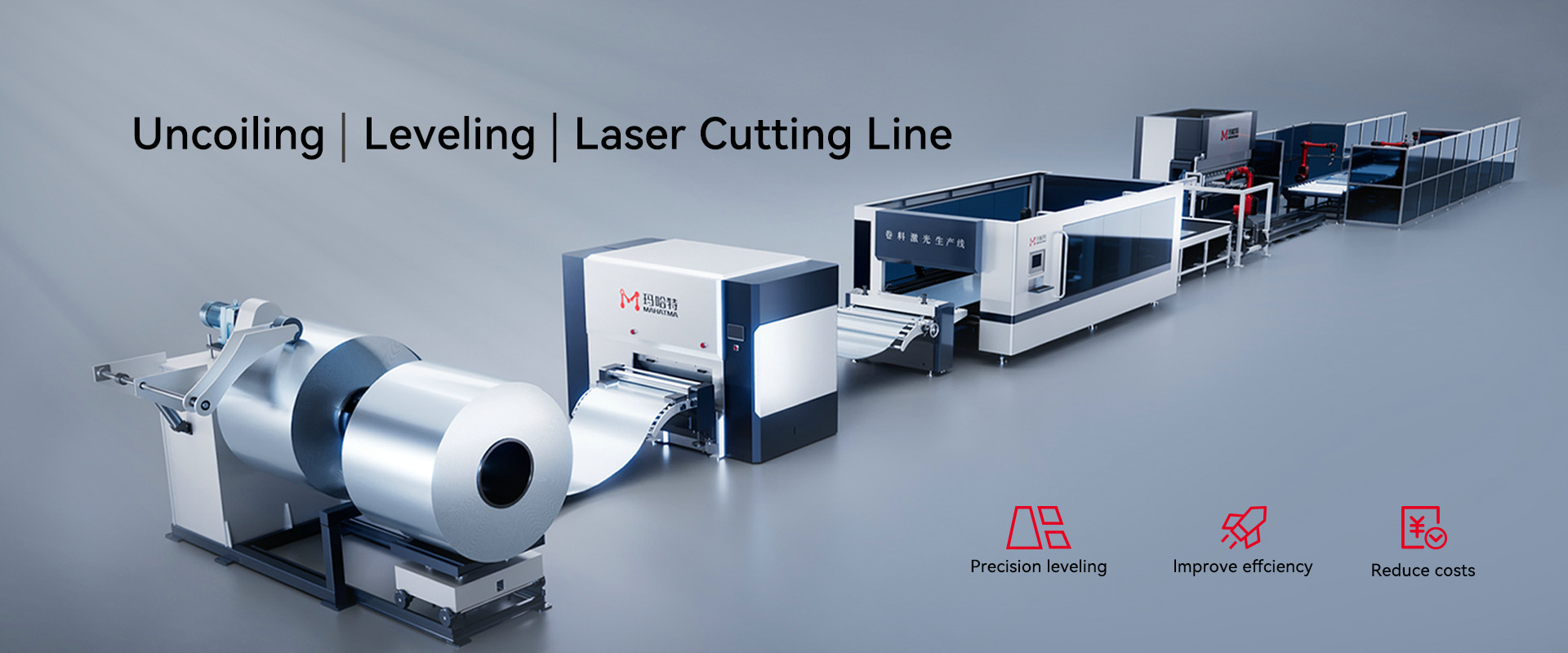



A production line is a core concept in modern manufacturing and industrial engineering. It represents a systematic arrangement of machines, equipment, workers, and processes designed to transform raw materials into finished products in a continuous, efficient, and standardized manner. From traditional factory operations to advanced automated systems, the production line has become the backbone of mass production across industries.
This article provides a comprehensive explanation of what a production line is, how it works, the different types of manufacturing lines—including flexible production lines—and how modern industries benefit from flexible and intelligent production systems such as the PVC pipe production line.
1. Definition of a Production Line
A production line is a sequence of workstations arranged in a specific order, where each station performs a defined task as a product moves from one stage to the next. Each step adds value until the final product is completed.
In a typical manufacturing line, materials flow continuously through cutting, forming, assembling, finishing, inspection, and packaging processes. The main goal is to achieve:
High productivity
Consistent quality
Reduced manufacturing costs
Optimized labor utilization
Production lines are widely used in industries such as automotive, electronics, plastics, food processing, and construction materials.
2. Key Components of a Manufacturing Line
A modern factory line consists of several essential elements working together:
Processing machines (cutting, molding, extrusion, welding)
Conveying systems (belts, rollers, robotic arms)
Control systems (PLC, sensors, automation software)
Quality inspection stations
Packaging and storage units
In advanced environments, these components are integrated into a flexible manufacturing line capable of adapting to different products and production volumes.
3. How a Production Line Works
The operation of a production line follows a step-by-step workflow:
Material Input – Raw materials are fed into the line.
Primary Processing – Initial shaping or forming processes occur.
Intermediate Operations – Machining, assembly, or finishing tasks are performed.
Inspection and Quality Control – Products are checked for compliance.
Final Output – Finished products are packaged and prepared for delivery.
In a well-designed production line, bottlenecks are minimized, and each station operates in balance with the others.
4. Traditional Production Lines vs. Flexible Production Lines
4.1 Traditional Production Line
A traditional manufacturing line is designed for high-volume production of a single product or a limited product range. While efficient for mass production, it lacks adaptability.
Limitations include:
High reconfiguration costs
Long changeover times
Reduced responsiveness to market changes
4.2 Flexible Production Line
A flexible production line is designed to quickly adapt to different products, sizes, or specifications with minimal downtime. This adaptability is achieved through modular equipment, automation, and Intelligent Control Systems.
Key advantages include:
Rapid product changeovers
Support for customized orders
Reduced inventory pressure
Improved responsiveness
5. Flexible Manufacturing Line and Industry 4.0
A flexible manufacturing line is a critical component of Industry 4.0. It combines automation, data exchange, and smart control to create a highly efficient and intelligent production environment.
Features include:
CNC machines and robotic systems
Automated material handling
Real-time production monitoring
Predictive maintenance
Such systems are often connected to a flexible supply line, ensuring raw materials and components are delivered just in time to meet production needs.
6. The Role of a Flexible Supply Line
A flexible supply line works hand-in-hand with flexible production systems. It ensures that materials, components, and logistics can adapt quickly to changes in demand or product configuration.
Benefits include:
Reduced lead times
Lower inventory costs
Improved supply chain resilience
Faster response to market fluctuations
In modern manufacturing, flexibility is no longer optional—it is a competitive necessity.
7. Applications of Production Lines in Different Industries
7.1 Automotive Industry
Automotive factory lines use highly automated production lines to assemble vehicles, engines, and components with high precision and repeatability.
7.2 Electronics Manufacturing
Electronics manufacturing lines handle delicate components and require high-speed, high-accuracy assembly processes.
7.3 Plastics and Construction Materials
A PVC pipe production line is a classic example of a specialized manufacturing line used to extrude, cool, cut, and stack PVC pipes for construction and infrastructure projects.
8. PVC Pipe Production Line: A Practical Example
A PVC pipe production line typically includes:
Material feeding and mixing systems
Extruders
Vacuum calibration tanks
Cooling tanks
Haul-off units
Cutting machines
Stacking systems
This type of production line operates continuously and is optimized for high output, consistent quality, and energy efficiency. With modern upgrades, it can also be configured as a flexible production line to manufacture pipes of different diameters and thicknesses.
9. Benefits of Using Production Lines
Implementing a well-designed production line offers several advantages:
Increased Production Efficiency
Consistent product quality
Lower labor costs
Reduced waste
Scalability for future expansion
When combined with flexible technologies, production lines support both mass production and customization.
10. Challenges in Production Line Design
Despite their benefits, production lines face challenges such as:
Initial investment costs
System complexity
Maintenance requirements
Workforce training needs
However, modern automation and digital tools have significantly reduced these barriers.
11. Future Trends in Production Lines
The future of production lines is shaped by:
Artificial intelligence and machine learning
Digital twins and simulation
Smart factories
Sustainable and energy-efficient manufacturing
Production lines are becoming more autonomous, data-driven, and adaptable, further enhancing their role in global manufacturing.
12. Conclusion
So, what is a production line? It is a structured and efficient system that enables manufacturers to convert raw materials into finished products through a sequence of coordinated processes. From traditional factory lines to advanced flexible manufacturing lines, production lines remain the foundation of industrial production.
With innovations such as flexible production lines, flexible supply lines, and specialized systems like the PVC pipe production line, modern manufacturing is more responsive, efficient, and competitive than ever before.