



Understanding Product Line Engineering: A Systematic Approach from Production Lines to Flexible Manufacturing
In modern manufacturing, companies are increasingly challenged to deliver product variety, fast lead times, and consistent quality while keeping costs under control. To address this challenge, Product Line Engineering has emerged as an important methodology in industrial engineering and manufacturing management.
So, what is product line engineering? In simple terms, it is a systematic approach to planning, developing, and manufacturing a family of related products through shared platforms, standardized processes, and modular production systems.
1. What Does a Product Line Refer To?
In an engineering and manufacturing context, a product line refers to a group of products that share common structures, technologies, materials, or manufacturing processes. These products typically:
Use shared core components and technologies
Differ in configuration or features to meet diverse customer needs
Are produced on the same or similar production line
The purpose of product line engineering is to maximize reuse while allowing controlled variation.
2. What Is Line Production and Its Role in Product Line Engineering
To fully understand product line engineering, it is important to clarify what is line production.
Line production is a manufacturing method in which the production process is divided into sequential steps arranged along a production line. Each station performs a specific task, enabling:
High throughput
Consistent quality
Low unit cost for large volumes
However, traditional line production lacks flexibility. Product line engineering enhances this model by introducing modular design and configurable processes, transforming rigid production lines into flexible production line systems.
3. From Production Line to Flexible Production Line
1. The Concept of Flexible Production
Flexible production focuses on the ability to adapt quickly to changes in:
Product models
Batch sizes
Process routes
In product line engineering, flexibility is not optional—it is essential.
2. Key Characteristics of a Flexible Production Line
A modern flexible production line typically features:
Modular workstations
Programmable equipment
Automated material handling
Fast changeover capabilities
Such systems allow multiple product variants to be manufactured efficiently on the same production line.
4. leveling: A Fundamental Element in Product Line Engineering
Although often overlooked, leveling plays a critical role in maintaining consistency and accuracy across a production line.
1. The Impact of Leveling on Manufacturing Accuracy
Whether in a conventional production line or a flexible production line, improper leveling can lead to:
Dimensional inconsistencies
Reduced precision in CNC and laser operations
Increased equipment wear
Accurate leveling is essential for stable and repeatable manufacturing.
2. The Role of Leveling Feet
Leveling feet are widely used in:
Laser cutting systems
Automated conveyors and workstations
Standardized leveling feet allow machines to be installed, adjusted, and relocated efficiently within a product line.
5. Laser Cutting as a Core Technology in Product Line Engineering
Laser technology is a key enabler of modern product line engineering, especially in metal fabrication.
1. Applications of Laser Cutting
Laser cutting offers high precision, speed, and automation, making it ideal for product line manufacturing. Common solutions include:
CNC laser cutter for repeatable and high-volume parts
Metal laser cutter for Sheet Metal and structural components
Tube laser cutting services for pipes and hollow profiles
2. Laser Cutting Service and Customization
Not all manufacturers operate in-house laser systems. Therefore:
Laser cutting service
Metal cutting service
Custom laser cutting
are often integrated into product line strategies to extend capacity and improve flexibility.
6. The Role of Laser Level in Production Line Accuracy
Beyond cutting itself, installation and alignment tools are equally important. A laser level ensures precise setup of equipment and workstations.
Common tools include:
Best laser level for high-precision installation
Industrial laser leveling systems for full production line alignment
Laser leveling helps ensure consistent machine positioning, which is vital for laser cutting accuracy and repeatability.
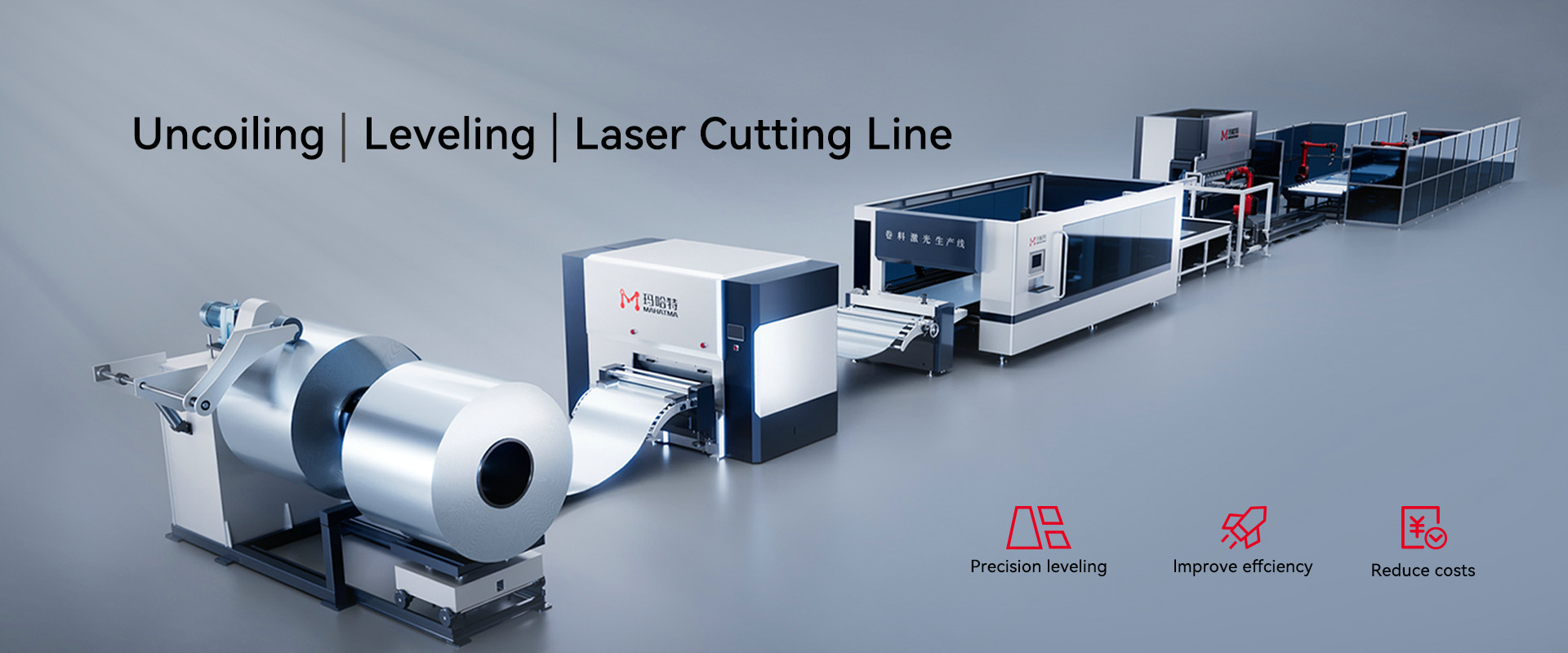
7. Integrating Laser Cutting and Flexible Production in Product Line Engineering
The real strength of product line engineering lies in system integration.
1. Combining Laser Cutting with Flexible Production
By modularizing laser cutting units:
Multiple products can share the same CNC laser cutter
Design changes are handled through program updates
Equipment investment is optimized
2. Coordinating Multiple Product Lines
Within a flexible production line:
Standard parts are produced in batches
Specialized components use custom laser cutting or tube laser cutting services
Unified quality standards apply across the product line
8. Product Line Engineering from a Management Perspective
From a management standpoint, product line engineering extends beyond equipment and technology.
Successful implementation requires:
Standardized leveling and installation procedures
Controlled management of laser cutting service partners
Centralized databases for product line processes and quality data
This approach enables scalable, repeatable, and upgradable production systems.
Conclusion: Product Line Engineering as a Comprehensive Manufacturing Strategy
Returning to the original question—what is product line engineering—it is far more than a product development concept.
It is a comprehensive manufacturing strategy that integrates:
Production line design
Flexible production and flexible production line systems
Leveling and precision alignment
Laser cutting and laser-based technologies
By mastering product line engineering, manufacturers can achieve the optimal balance between efficiency, quality, and flexibility, creating sustainable competitive advantages in an increasingly complex market.