



How Companies Can Enhance Production Flexibility: A Systematic Approach from Flexible Production Lines to Laser and Precision Leveling Technologies
In today’s manufacturing environment, where market demand is increasingly volatile and product life cycles are continuously shrinking, production flexibility has become a core source of competitive advantage. Modern firms are no longer focused solely on large-scale output and cost reduction; instead, they prioritize the ability to respond efficiently to high-mix, low-volume, and fast-changing orders.
So, how might firms increase production flexibility? The answer does not lie in a single solution, but rather in a comprehensive upgrade of production line design, equipment configuration, processing technologies, and fundamental precision control.
1. Building a Flexible Production Line as the Foundation of Production Flexibility
A flexible production line is the backbone of modern flexible manufacturing. Unlike traditional rigid production lines, it emphasizes modularity, reconfigurability, and rapid changeover.
1. Modular Production Line Design
By dividing a production line into standardized functional modules, firms can quickly adjust layouts according to order requirements. This includes:
Adding or removing processing stations
Reordering process sequences
Running multiple product variants simultaneously
Such a flexible production line structure significantly reduces changeover time and improves equipment utilization.
2. Integration of Multi-Process Automation
A modern flexible production line often integrates:
CNC machining systems
Automatic loading and unloading
In-line inspection
Robotic material handling
At this stage, basic accuracy and structural stability become critical—and these are directly linked to leveling quality.
2. leveling: An Often Overlooked Key Factor in Production Flexibility
When discussing production flexibility, many firms focus on automation software and smart systems while overlooking a fundamental issue: whether equipment is properly leveled.
1. The Impact of Leveling on Production Line Stability
Poor leveling in any production line can result in:
Increased vibration
Reduced machining accuracy
Accelerated equipment wear
Accumulated errors in automated systems
Reliable and accurate leveling is a prerequisite for achieving consistent and flexible production.
2. The Role of Leveling Feet in Flexible Production Lines
In modern flexible production lines, leveling feet are widely used on:
CNC machines
Automated conveyor systems
Inspection equipment
Robotic workstations
Adjustable leveling feet allow rapid re-leveling when production lines are relocated or expanded, greatly enhancing production flexibility.
3. Laser Technology: Making Leveling and Forming Smarter and More Efficient
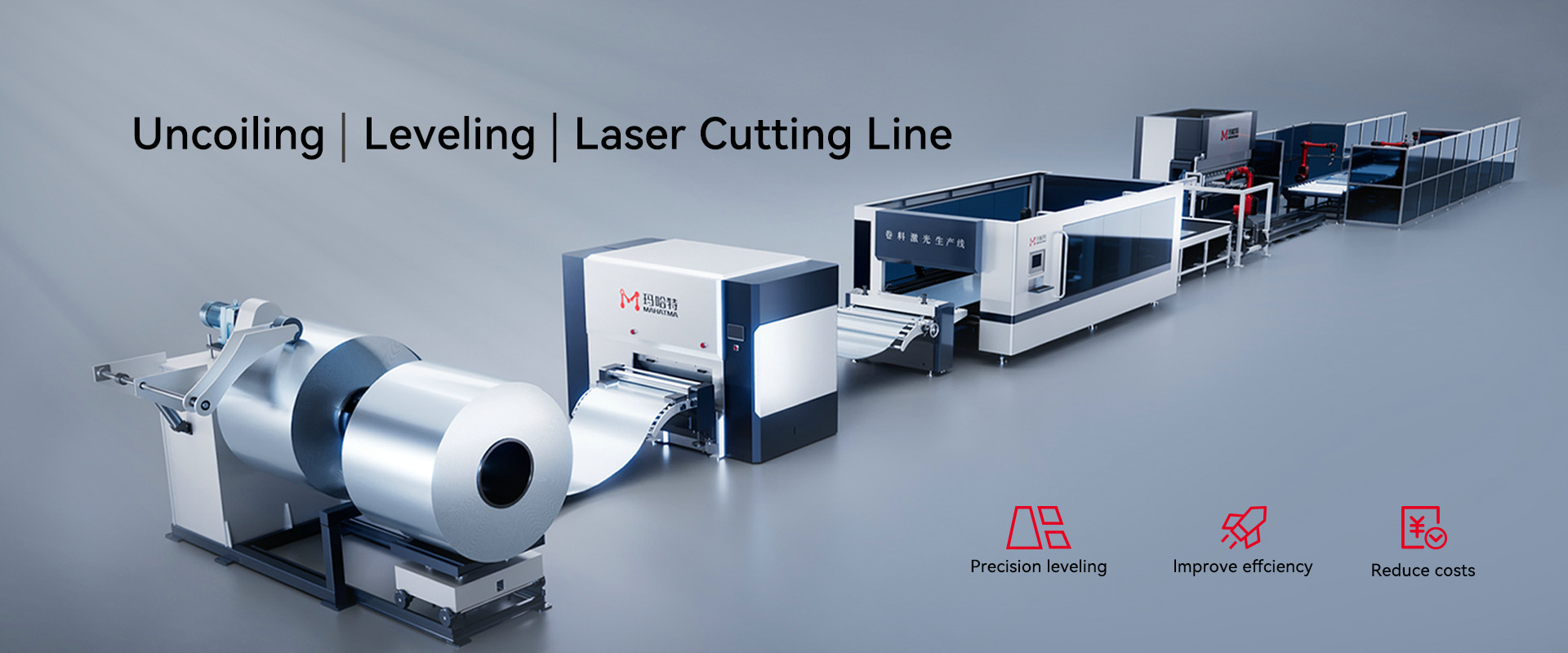
With advances in laser technology, laser bending and laser-based leveling tools are transforming the flexibility of manufacturing systems.
1. Laser Bending for Enhanced Process Flexibility
Laser bending is a forming technology that requires no molds or only minimal tooling. Its advantages include:
Fast switching between product geometries
Ideal for small-batch and customized production
Reduced tooling and mold costs
Integrating laser bending into a flexible production line enables rapid response to design changes and supports true flexible manufacturing.
2. Laser Leveling Tools in Production Line Installation
Laser leveling tools play a vital role during production line installation and maintenance, including:
Rotating laser level for large-area factory alignment
Self leveling laser level for improved efficiency and reduced labor
Stabila laser level, known for precision and durability
Best laser level solutions for high-accuracy equipment setup
These tools allow manufacturers to achieve High-Precision Leveling of the production line in minimal time.
4. Digital Measurement Tools Supporting Precision Adjustment
Beyond laser tools, digital measurement instruments further strengthen production flexibility.
1. The Value of a Digital Spirit Level
Compared with traditional bubble levels, a digital spirit level offers:
Clear and intuitive readings
Higher measurement accuracy
Data recording and traceability
In flexible manufacturing environments where production lines are frequently adjusted, digital spirit levels significantly improve setup efficiency.
2. Land Leveler Applications in Large-Scale Manufacturing
In heavy industry or large factory construction, a land leveler is commonly used for:
Initial factory floor leveling
Preparing foundations for heavy machinery
Ensuring long-term stability of the production line
5. Systematic Integration of Leveling and Flexible Production Lines
True production flexibility is achieved not through isolated upgrades, but through system-level integration.
1. Considering Leveling at the Design Stage
When planning a flexible production line, firms should include:
Leveling feet selection
Laser leveling strategies
Floor load capacity and flatness
from the early design phase rather than treating them as afterthoughts.
2. Rapid Reconfiguration of Equipment
When product designs or order volumes change, firms can:
Quickly adjust leveling
Reposition laser bending stations
Reuse modular production units
to reconfigure the production line efficiently and respond faster to market demands.
6. Management and Workforce Capabilities Matter
Technology alone is not enough to answer how might firms increase production flexibility. Organizational and human factors are equally important.
Training employees to properly use self leveling laser level and digital spirit level tools
Establishing standardized leveling and maintenance procedures
Integrating leveling data into equipment management systems
When technology, equipment, and skilled personnel work together, production flexibility becomes a practical reality.
Conclusion: Production Flexibility Is Built on Details and Achieved Through Systems
From flexible production line architecture to advanced processes like laser bending, and from foundational elements such as leveling, laser level, and leveling feet, increasing production flexibility is a systematic endeavor.
Companies that truly excel often outperform competitors in these “invisible but critical” fundamentals.
When a production line combines rapid reconfiguration, stable precision, and flexible process integration, firms gain the resilience and agility needed to succeed in an ever-changing market.