



In modern construction, surveying, and industrial projects, accuracy is everything. Ensuring that structures, equipment, or production lines are level and aligned is critical to safety, efficiency, and quality. Traditionally, workers relied on a spirit level for these measurements. However, in recent years, laser levels have become an essential tool, offering speed, precision, and flexibility that manual tools simply cannot match.
What Is a Laser Level?
A laser level is a device that projects a laser beam to create a perfectly straight and level reference line on surfaces. Unlike a traditional spirit level, which relies on a bubble vial to indicate level, a laser level allows you to see a straight line across long distances, enabling high precision over large areas.
Laser levels are commonly used in:
Construction for wall layouts, flooring, and ceiling installation
Surveying and civil engineering
Interior decoration, including shelving, tiling, and cabinetry
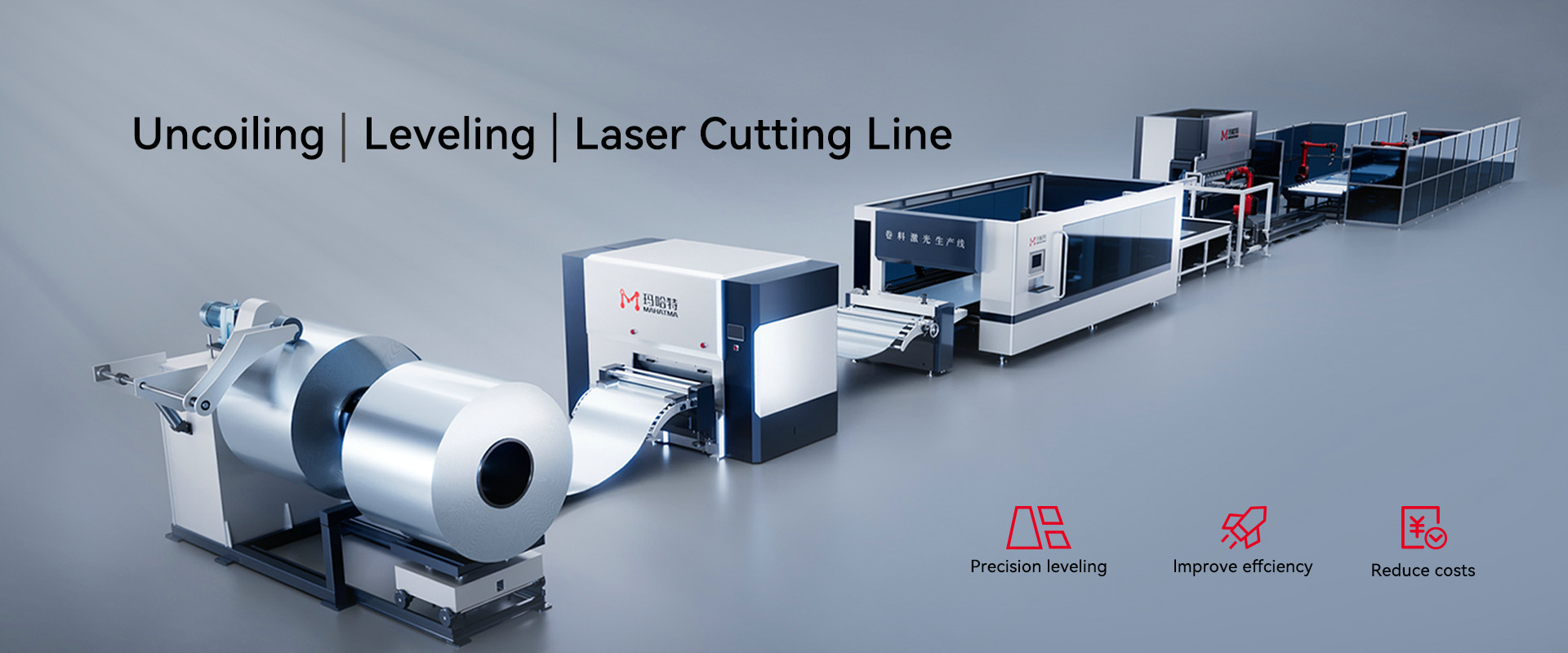
Industrial applications, such as aligning machinery on a flexible production line
How a Laser Level Works
Laser levels work by emitting a laser beam from a diode housed in the device. There are two primary methods:
Manual Alignment – Early models require manual leveling, similar to a traditional spirit level.
Self-Leveling – Modern laser levels have a pendulum or electronic system that automatically finds level.
The beam can be projected in horizontal, vertical, or 360-degree rotary patterns, depending on the type of laser level used. Self-leveling laser levels often include a laser spirit level feature, combining the accuracy of a spirit vial with the visibility of a laser line.
Types of Laser Levels
Laser levels come in different types to meet a variety of applications. Choosing the right type ensures accuracy, efficiency, and safety.
1. Line Laser Level
Line laser levels project a single straight line on a surface. They are ideal for indoor tasks like:
Hanging shelves
Aligning cabinets
Tiling walls
Line laser levels are simple, portable, and affordable, making them a good choice for home DIY projects.
2. Rotary Laser Level
Rotary laser levels spin a laser beam 360 degrees to project a level plane across large spaces. They are often used for:
Site grading
Large-scale construction
Installing ceilings or raised floors
Rotary lasers are a step above line lasers in terms of range and visibility, especially outdoors.
3. Laser Spirit Level
A laser spirit level combines the functionality of a traditional spirit level with laser projection. This hybrid tool allows users to double-check alignment manually while projecting long-distance laser lines for large projects.
4. Topcon Laser Level and Stabila Laser Level
Topcon laser levels and Stabila laser levels are two leading brands in construction and surveying tools. They are known for:
High precision
Durability
Long-distance visibility
Easy integration with tripods and other measuring systems
These devices are widely used in professional construction projects and flexible production line setups for machinery alignment.
Advantages of Using a Laser Level
Laser levels offer numerous benefits over traditional spirit levels:
1. Accuracy
Laser levels eliminate human error associated with bubble readings, providing extremely precise leveling over long distances.
2. Time Efficiency
Instead of measuring and marking multiple points manually, a laser level allows continuous reference lines, speeding up tasks like tiling, framing, or machinery alignment.
3. Versatility
Modern laser levels can project lines vertically, horizontally, or in full 360-degree rotation. Some models, such as rotary laser levels, can cover entire rooms or large construction sites.
4. Ease of Use
Self-leveling features make it simple for beginners to achieve accurate results without extensive training.
5. Integration with Modern Workflows
Laser levels can be integrated into a flexible production line, allowing machinery and components to be perfectly aligned. This ensures consistent output, reduces errors, and improves overall productivity.
Are Laser Levels Worth It?
Many professionals ask: “Are laser levels worth it?” The answer depends on your needs.
For DIY projects: Basic line laser levels provide a quick and precise way to align shelves, cabinets, or flooring.
For construction or industrial applications: Investing in a rotary laser level or Topcon laser level pays off through:
Increased speed
Reduced human error
Improved accuracy
Long-term durability
For a flexible production line, using laser levels ensures machinery and equipment are aligned with millimeter precision, reducing downtime and production inconsistencies.
Choosing the Best Laser Level
When selecting the best laser level, consider:
Range – Longer range is critical for large projects or outdoor construction.
Accuracy – High precision is essential for professional work.
Durability – Construction environments require robust and reliable tools.
Power Source – Some laser levels use rechargeable batteries, while others use standard AA batteries.
Type – Decide between line laser levels, rotary laser levels, or hybrid laser spirit levels.
Popular brands like Stabila laser level and Topcon laser level are often preferred for professional-grade tasks due to their proven reliability and precision.
Applications of Laser Levels in Modern Projects
Laser levels are widely used across industries:
1. Construction and Interior Design
Laser levels help with:
Aligning walls, ceilings, and floors
Installing tiles, cabinets, and doors
Framing windows and doorways
2. Industrial and Manufacturing
In manufacturing, laser levels are used for:
Aligning machinery on a flexible production line
Verifying level surfaces
Positioning equipment precisely to improve workflow efficiency
3. Surveying and Civil Engineering
Surveyors rely on rotary laser levels for site grading, foundation alignment, and large outdoor projects.
4. DIY Projects
Even homeowners benefit from laser levels when:
Hanging picture frames
Installing shelves
Laying tiles or flooring
Tips for Using a Laser Level Effectively
Always calibrate the device before use.
Use a tripod for stability.
Ensure the surface or mounting point is secure.
Select the correct laser line mode (horizontal, vertical, or 360-degree).
For outdoor projects, consider a laser with a visible beam or use a detector.
Combine with a spirit level for additional verification, especially in hybrid laser spirit level models.
Laser Levels vs. Spirit Levels
While traditional spirit levels are simple and reliable, laser levels offer:
Greater range
Enhanced precision
Faster workflow
Versatility for complex projects
For professional use, laser levels are now considered essential, while spirit levels remain useful for quick checks and smaller tasks.
Conclusion
Understanding what a laser level is and how it works can greatly improve construction, industrial, and surveying projects. From simple laser spirit levels for small tasks to professional rotary laser levels like Topcon laser level and Stabila laser level, these tools provide accuracy, speed, and flexibility.
Whether you’re installing cabinets, aligning machinery on a flexible production line, or performing large-scale surveying, investing in the best laser level is worth it for the time savings, precision, and reliability it delivers. While spirit levels remain useful for manual checks, the versatility and efficiency of laser levels make them an indispensable tool in modern projects.
For both DIY enthusiasts and professional builders, the combination of laser technology and traditional leveling methods ensures that every project is accurate, efficient, and successful.