
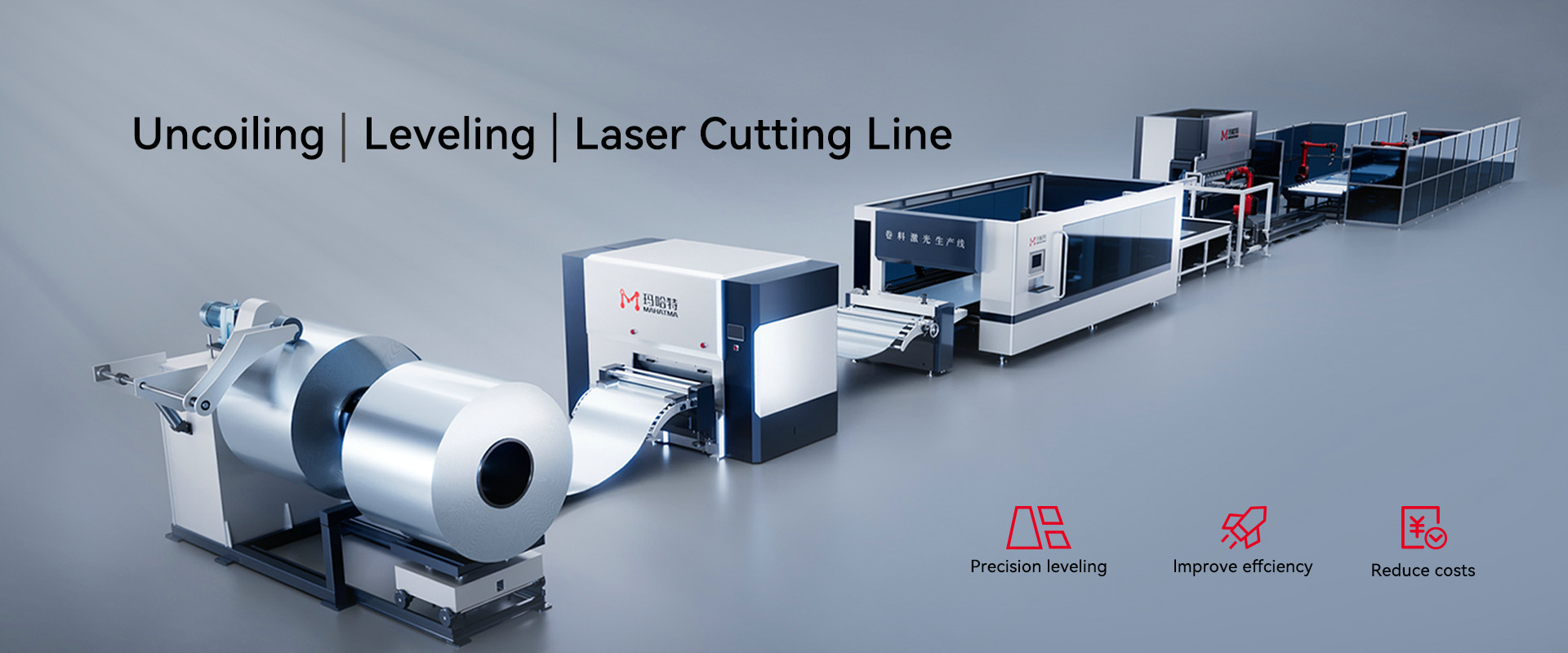



Laser Cutting has revolutionized the way metal is shaped and cut. It provides high precision, efficiency, and versatility in a wide range of industries. Whether you need custom cut metal, laser cut stainless steel, or metal cutting services, laser cutting offers a solution that is both effective and scalable. But can you laser cut metal? The answer is yes—and in this article, we’ll dive into the types of lasers used for cutting metal, the laser cutting process, and the benefits of choosing metal laser cutting services for your projects.
What Is Laser Cutting?
Laser cutting is a technology that uses a focused laser beam to slice through materials, including metals, with high precision. It works by directing a high-energy laser beam onto the material’s surface, which melts, burns, or vaporizes the material along the desired cut path. This allows for intricate and complex cuts, making laser cutting ideal for creating detailed parts in industries ranging from automotive and aerospace to fashion and electronics.
Key Components of a Laser Cutting System
A metal laser cutter or CNC laser cutter consists of several key components:
Laser Source – Generates the laser beam.
Optics – Directs and focuses the laser beam on the material.
CNC System – Controls the movement of the cutting head in X, Y, and Z directions.
Assist Gas – A gas (usually oxygen or nitrogen) that helps with cutting and removal of molten metal.
Cutting Head – Focuses the laser beam onto the material for cutting.
What Type of Laser Is Used to Cut Metal?
When it comes to metal laser cutting, different types of lasers are used, depending on the material and the precision required. The most common types of lasers used for cutting metal include:
1. CO2 Lasers (Carbon Dioxide)
CO2 lasers are the most commonly used lasers for cutting stainless steel, mild steel, and aluminum. The wavelength of the CO2 laser (10.6 microns) is well-suited for absorbing into metals, making it effective for cutting thick materials.
Advantages:
High power and precision
Ideal for cutting thicker materials
Effective for laser cut stainless steel and other metals
Applications:
Sheet Metal cutting
Automotive parts manufacturing
Aerospace components
2. Fiber Lasers
Fiber lasers use an optical fiber doped with rare-earth elements to generate a high-energy laser beam. Fiber lasers have a shorter wavelength (1.064 microns) compared to CO2 lasers, making them more efficient at cutting reflective materials such as aluminum and copper.
Advantages:
Higher cutting speeds
Greater precision
Less energy consumption compared to CO2 lasers
Applications:
Cutting thin sheets of stainless steel
Metal engraving and marking
Electronics and medical device manufacturing
3. Nd:YAG (Neodymium Yttrium Aluminum Garnet) Lasers
Nd:YAG lasers are used in specific cases where a high-power laser is required for cutting harder metals, like high-strength alloys. This type of laser is also used for welding and engraving.
Advantages:
Good for cutting thick metals
High-quality cuts
Applications:
Aerospace components
Industrial equipment
Jewelry manufacturing
The Laser Cutting Process
The laser cutting process involves several stages that ensure the desired cut is made with high precision and minimal material wastage. Here's an overview of how laser cutting works:
Step 1: Design and Programming
Before the cutting process begins, the design is created using CAD (Computer-Aided Design) software. The design is then converted into a machine-readable format (e.g., DXF, SVG, or G-code) and fed into the CNC system that controls the laser cutter. The CNC laser cutting service allows for custom cut metal parts, following the exact specifications of the design.
Step 2: Material Placement
The metal sheet is securely placed on the cutting bed. Assist gas such as oxygen, nitrogen, or compressed air is used to support the cutting process by removing debris and ensuring the cutting remains clean.
Step 3: Laser Cutting
The focused laser beam is directed onto the metal's surface, where it melts or vaporizes the material. The movement of the laser cutting head is controlled by the CNC system, following the paths defined in the design file.
The metal laser cutting service can handle materials of varying thicknesses, from thin sheets to thicker plates, depending on the power of the laser and the material type.
Step 4: Post-Cutting Finishing
After the cutting is complete, the CNC metal cutting service may involve secondary processes like deburring, cleaning, and sometimes welding, to finalize the product.
Types of Metal Cutting Services
Depending on the complexity and needs of your project, there are various types of metal cutting services that utilize laser cutting technology.
1. Custom Metal Cutting
Custom cut metal services are tailored to meet the specific requirements of a project, whether it's a small batch or large-scale production. Laser cutting is especially valuable for custom jobs because of its ability to produce intricate cuts without requiring tooling changes.
Benefits of custom metal cutting:
Precise cuts for complex shapes
No need for additional tooling
High repeatability for mass production
2. CNC Laser Cutting Services
CNC laser cutting services combine the power of computer programming with laser cutting technology to create highly accurate and repeatable cuts. CNC-controlled machines are capable of cutting both thin and thick materials and are ideal for producing laser cut stainless steel parts with tight tolerances.
Applications of CNC laser cutting services:
Aerospace components
Automotive manufacturing
Medical device fabrication
3. Metal Laser Cutting Service
A metal laser cutting service specializes in cutting a wide range of metals, including carbon steel, stainless steel, aluminum, brass, and copper. These services are capable of handling both thick and thin metals, offering versatility and precision.
Advantages:
Ability to cut high-strength materials like stainless steel
Precise edge quality with minimal heat-affected zones
Reduced lead times compared to traditional cutting methods
Advantages of Laser Cutting for Metal
Laser cutting provides numerous advantages over traditional cutting methods, such as sawing or punching. Here are some key benefits:
1. High Precision
One of the most significant advantages of laser cutting is the ability to achieve extremely fine and accurate cuts. CNC laser cutters are capable of cutting intricate shapes and patterns with tight tolerances, making them ideal for applications that require detailed designs, such as metal engraving or electronic parts.
2. No Tool Wear
Unlike mechanical cutting processes that wear down tools, laser cutting doesn’t involve direct contact with the material, so there’s no tool wear. This leads to more consistent quality over time and reduces the need for tool replacements.
3. Clean Cuts with Minimal Heat-Affected Zones
Laser cutting provides clean, burr-free edges and minimal heat distortion. This is especially important when cutting materials like stainless steel, which can deform when exposed to excessive heat. The precise energy application of lasers reduces this risk significantly.
4. Cost-Effective for Complex Cuts
For complex designs or small production runs, laser cutting is often more cost-effective than traditional cutting methods, which may require custom tooling. With laser cutting services, you can create complex parts without investing in expensive tooling or setup.
When to Use Metal Laser Cutting Services
Laser cutting services are best suited for situations where high precision, speed, and flexibility are required. Some typical applications of metal laser cutting services include:
Automotive Manufacturing: Laser cutting is used to create precise parts for engines, chassis, and body components.
Aerospace Industry: Aerospace components require tight tolerances and durability, making laser cutting an ideal choice.
Medical Equipment: The medical device industry often needs highly precise parts, many of which are made from laser cut stainless steel.
Custom Metal Fabrication: For one-off designs or low-volume production, custom metal cutting with lasers is both cost-effective and efficient.
Conclusion
Laser cutting is a versatile and efficient technology for cutting metal, offering high precision and the ability to handle a variety of materials. Whether you're looking for laser cut stainless steel, metal laser cutting services, or CNC laser cutting services, the flexibility of laser cutting ensures that it can meet the needs of a broad range of industries. The ability to produce intricate designs without tooling changes, along with the clean cuts and minimal heat-affected zones, makes laser cutting an essential part of modern manufacturing.
By choosing the right metal cutting service, you can ensure that your custom metal parts are produced with the highest quality and efficiency, making laser cutting the ideal choice for both small and large-scale projects.