



In today’s rapidly evolving manufacturing landscape, companies must develop products faster, more efficiently, and with greater flexibility to stay competitive. One methodology that has emerged to meet these demands is product line engineering (PLE). This approach focuses on designing and managing a family of related products in a coordinated way, enabling organizations to optimize resources, reduce costs, and accelerate time-to-market. This article explores the concept of product line engineering, its advantages, practical applications, and the role of advanced technologies such as Laser Cutting, metal laser cutters, and custom laser cutting services in modern production environments.
Understanding Product Line Engineering
Product line engineering is an engineering practice that emphasizes the systematic development of a set of related products using a shared set of assets, components, or technologies. Instead of designing each product independently, PLE leverages common platforms, modular components, and reusable design elements to create multiple products efficiently. The goal is to maximize reuse, improve quality, and reduce the time and cost associated with product development.
In essence, PLE involves three core activities:
Domain Engineering: Defining the common assets, components, and architecture that can be reused across the product family.
Application Engineering: Using these assets to develop specific products tailored to customer requirements.
Management and Maintenance: Coordinating changes, updates, and innovations across the product line to ensure consistency and efficiency.
By adopting product line engineering, manufacturers can achieve significant economies of scale while maintaining flexibility to meet diverse market needs.
Advantages of Product Line Engineering
The adoption of PLE offers several benefits for modern manufacturing organizations:
Reduced Development Time: Reusing existing components and design patterns allows companies to bring products to market faster.
Cost Savings: Shared assets reduce duplication of effort, lower material waste, and minimize engineering labor costs.
Consistency and Quality: Standardized components and processes ensure that products across the line meet consistent quality standards.
Flexibility: The ability to modify or extend products without redesigning from scratch supports a flexible production line capable of handling multiple products efficiently.
Scalability: PLE supports scaling production up or down to meet demand without compromising quality or performance.
Role of Laser Technology in Product Line Engineering
Advanced manufacturing technologies, particularly laser cutting and laser engraving, have become integral to implementing product line engineering in modern production facilities. Laser-based processes enable precision, repeatability, and efficiency across product families.
1. Laser Cutting for Consistency and Precision
Laser cutting offers highly accurate and repeatable cuts, making it ideal for standardized components used across a product line. Whether it’s metal sheets, plastic, wood, or composite materials, laser cutting ensures minimal deviations, which is essential for the assembly of products derived from shared components.
Manufacturers can also rely on laser cutting services or in-house desktop laser cutters to prototype and produce small batches efficiently. This flexibility supports rapid iteration during the product development phase of PLE.
2. Customization with Laser Engraving
While PLE emphasizes shared components, product differentiation is often necessary to meet customer preferences. Custom laser cutting and laser engraving services allow manufacturers to add unique identifiers, designs, or branding to standardized components without altering the core architecture. Tools like the best laser engraver or laser engraver and cutter provide the precision and efficiency needed for these modifications.
3. Metal Fabrication and Tube Laser Cutting
For heavy-duty or industrial products, metal laser cutters and tube laser cutting services enable manufacturers to produce complex shapes, holes, and intricate geometries with minimal manual intervention. These technologies support high-volume production while maintaining tight tolerances, essential for product line engineering where components must fit seamlessly across multiple products.
4. Small Business Applications
Even small businesses can adopt principles of PLE using accessible technologies such as the best laser cutter for small business. Desktop laser cutters allow entrepreneurs to experiment with modular designs, create customized products, and scale production efficiently. This democratization of precision manufacturing enables smaller companies to compete with larger enterprises in markets where product families and variations are key.
Integrating PLE into a Flexible Production Line
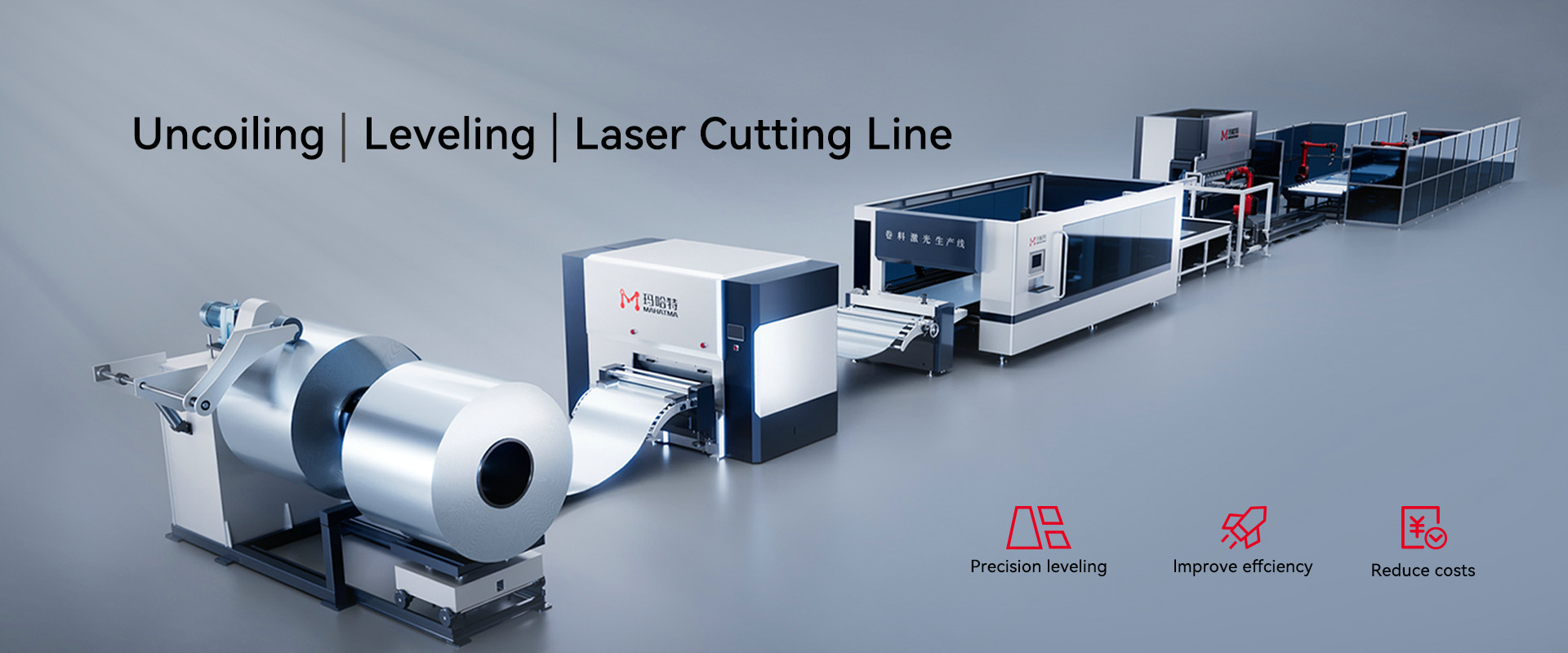
A key success factor in product line engineering is the implementation of a flexible production line. This involves arranging machinery, tools, and processes to accommodate multiple products without extensive downtime or reconfiguration. Laser-based manufacturing supports this approach by providing:
Quick changeovers: Automated laser cutting and engraving systems can switch between designs with minimal setup time.
Precision alignment: Advanced laser tools ensure that each product variation meets design specifications consistently.
Multi-material capability: Many laser systems handle different materials and thicknesses, enabling flexible production across a range of product lines.
By integrating laser cutting, custom laser cutting, and laser engraving services into a flexible production line, manufacturers can optimize throughput while maintaining high quality and customization options.
Challenges and Considerations
While product line engineering offers significant advantages, it also presents challenges:
Upfront Investment: Developing reusable components, shared architecture, and integrating advanced laser technology requires initial capital and planning.
Complex Management: Coordinating changes across a product family demands robust configuration management and version control systems.
Skill Requirements: Engineers and operators must be proficient in both PLE principles and the operation of precision equipment like metal laser cutters and desktop laser cutters.
Equipment Compatibility: Ensuring that laser systems and production line machinery integrate seamlessly is essential to maintain efficiency and precision.
Best Practices for Implementing Product Line Engineering
To maximize the benefits of PLE, manufacturers should follow best practices:
Define a Clear Product Line Architecture: Identify shared components, modules, and interfaces to maximize reuse.
Leverage Advanced Manufacturing Tools: Incorporate laser cutting, metal laser cutters, and custom laser cutting for precision and efficiency.
Adopt Flexible Production Lines: Design production layouts that can accommodate multiple product types without extensive reconfiguration.
Implement Robust Change Management: Ensure consistent quality and traceability across the product family.
Monitor and Optimize Performance: Use feedback loops, real-time monitoring, and process analytics to continuously improve Production Efficiency.
Conclusion
Product line engineering represents a strategic approach to modern manufacturing, enabling companies to produce multiple, related products efficiently while maintaining high quality and flexibility. By combining modular design principles, shared components, and advanced technologies such as laser cutting, laser engraving, metal laser cutters, and tube laser cutting services, manufacturers can achieve precise, scalable, and cost-effective production. Whether for large-scale industrial operations or small businesses using desktop laser cutters, integrating PLE principles with custom laser cutting and a flexible production line provides a competitive edge in today’s dynamic market.
As industries continue to embrace automation, precision manufacturing, and Industry 4.0 standards, product line engineering will remain a cornerstone strategy for companies seeking to innovate, reduce costs, and deliver high-quality products to diverse markets.