



Laser Cutting has become one of the most important manufacturing technologies in modern industry. From precision metal components to decorative wooden designs, laser cutters are widely used across multiple sectors. But what materials can be cut with a laser cutter, and how do different materials affect performance, quality, and cost?
What Is Laser Cutting?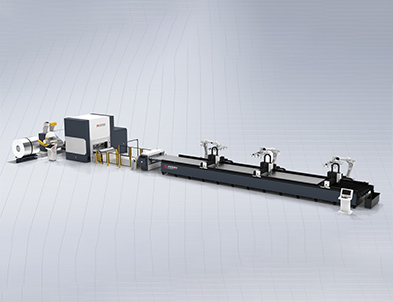
Laser cutting is a thermal manufacturing process that uses a highly focused laser beam to cut, engrave, or mark materials. The laser melts, burns, or vaporizes material along a programmed path, producing clean edges and high dimensional accuracy.
Unlike traditional mechanical cutting, laser cutting is:
Non-contact
Highly precise
Repeatable
Suitable for complex shapes
This makes it ideal for both prototyping and mass production.
How Laser Cutting Works
A Laser Cutting System consists of:
A laser source (CO₂, fiber, or crystal laser)
Beam delivery optics
CNC-controlled motion system
Assist gas (oxygen, nitrogen, or air)
The laser beam is focused onto the material surface, where intense heat causes localized melting or vaporization. The assist gas removes molten material and improves cut quality.
This process is used in laser blanking, engraving, marking, and full-depth cutting.
Can Laser Cut Metal?
One of the most common questions in manufacturing is: can laser cut metal? The answer is yes—laser cutting is one of the most effective methods for cutting metal.
Laser cutting can process:
Thin to thick metal sheets
Tubes and profiles
Coiled metal stock
Fiber lasers are especially effective for metal cutting due to their high efficiency and power density.
Metals That Can Be Cut With a Laser Cutter
Carbon Steel
Carbon steel is one of the most commonly laser-cut materials. It offers:
Excellent edge quality
Fast cutting speeds
High accuracy
Widely used in Sheet Metal cutting service for industrial parts.
Stainless Steel
Stainless steel is ideal for laser cutting because it:
Produces clean edges
Requires no post-processing
Maintains corrosion resistance
Used extensively in food equipment, medical devices, and architectural components.
Aluminum
Aluminum can be laser cut, though it requires higher power due to reflectivity. Fiber lasers are preferred for aluminum processing.
Brass and Copper
Laser cutting of copper and brass is possible with advanced fiber lasers. These materials are often used in electrical and decorative applications.
Sheet Metal Cutting Service Applications
A professional sheet metal cutting service uses laser cutting to process:
Steel sheets
Aluminum plates
Stainless steel panels
Laser cutting ensures:
Tight tolerances
Smooth edges
Minimal material waste
This makes it ideal for enclosures, brackets, panels, and custom components.
Tube Laser Cutting Services
Tube laser cutting services specialize in cutting round, square, and custom-shaped tubes. This technology allows:
Complex holes and slots
Angled cuts
Precise joints for welding
Tube laser cutting is widely used in:
Furniture manufacturing
Automotive frames
Fitness equipment
Structural components
Compared to traditional methods, tube laser cutting improves efficiency and design flexibility.
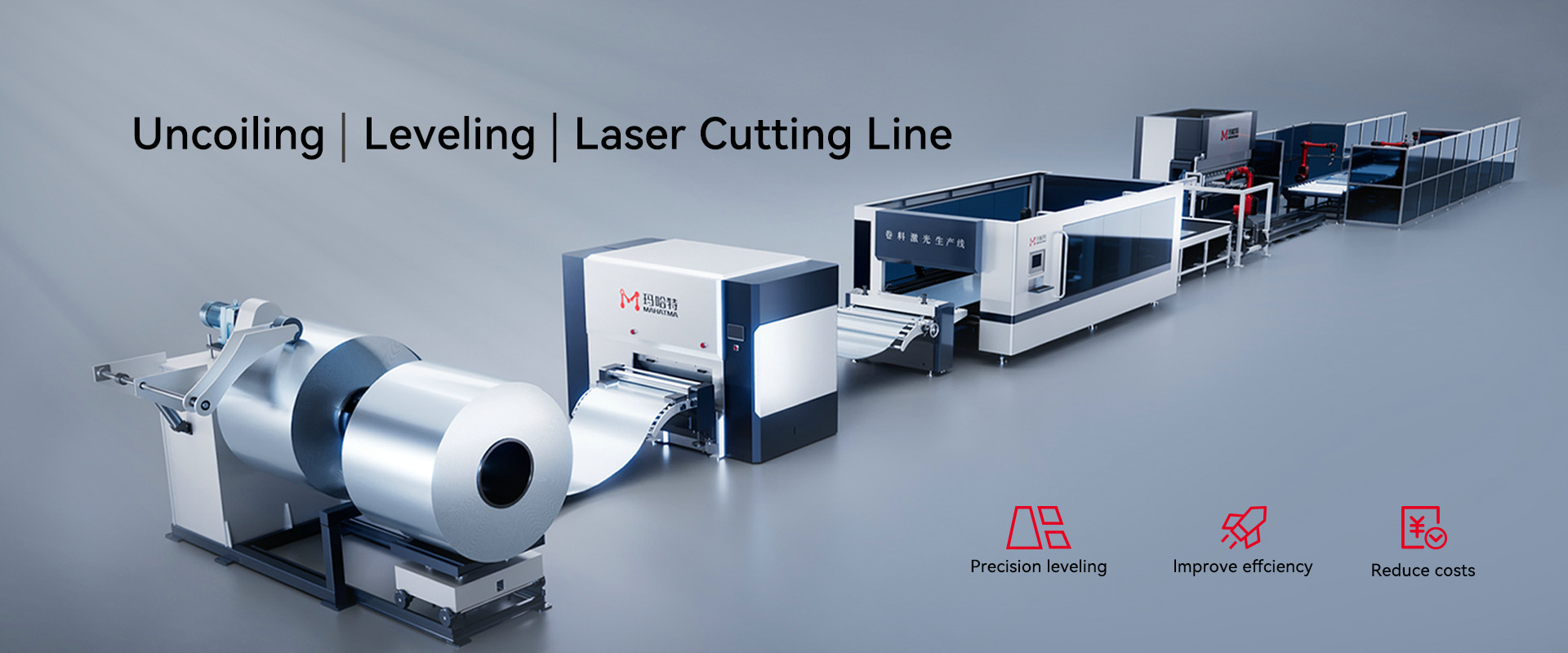
Laser Blanking and Coil Fed Laser Blanking
Laser blanking refers to cutting flat parts directly from metal sheets or coils using a laser instead of stamping dies.
Advantages of Laser Blanking
No tooling costs
Faster design changes
High flexibility
Coil fed laser blanking takes this process further by feeding metal coils directly into the laser cutting system. This enables:
Continuous production
Reduced scrap
Higher throughput
Coil fed laser blanking is widely used in automotive and high-volume manufacturing industries.
Non-Metal Materials That Can Be Laser Cut
Laser cutters are not limited to metal. Many non-metal materials can also be processed with excellent results.
Wood
Wood is one of the most popular laser cutting materials. Laser cutters can cut:
Plywood
MDF
Solid wood
Laser cutting creates smooth edges and allows intricate designs, making it ideal for crafts, furniture, and signage.
Acrylic (PMMA)
Acrylic is highly suitable for laser cutting:
Produces polished edges
No additional finishing required
Common uses include signage, display cases, and decorative panels.
Plastics
Some plastics can be laser cut, including:
ABS (limited)
PET
Polycarbonate (thin sheets)
Material selection is critical, as some plastics release harmful fumes.
Leather and Fabric
Laser cutters are widely used for cutting:
Leather
Cotton
Felt
Synthetic fabrics
This is common in fashion, upholstery, and custom accessories.
Paper and Cardboard
Laser cutting is ideal for:
Packaging prototypes
Invitations
Craft designs
It allows high-speed cutting with intricate detail.
Materials That Should NOT Be Laser Cut
Not all materials are suitable for laser cutting.
Avoid cutting:
PVC (releases toxic chlorine gas)
Vinyl
Fiberglass
Certain coated metals
Always verify material safety before laser cutting.
Laser Cutting vs Laser Engraving
Laser cutting removes material completely, while engraving marks the surface.
The best laser engraver often supports both cutting and engraving, allowing:
Logos
Text
Decorative patterns
This versatility is valuable for custom products and branding.
Choosing the Right Laser Cutting Service
When selecting a laser cutting service, consider:
Material capability
Maximum thickness
Tolerance requirements
Production volume
Professional services offer advanced equipment for tube laser cutting services, sheet metal cutting service, and coil fed laser blanking.
Benefits of Laser Cutting Technology
Laser cutting offers multiple advantages:
High precision
Clean edges
Minimal waste
Automation-ready
Suitable for prototyping and mass production
These benefits explain why laser cutting is widely adopted across industries.
Industrial Applications of Laser Cutting
Laser cutting is used in:
Automotive manufacturing
Aerospace components
Electronics enclosures
Medical devices
Architectural metalwork
The ability to answer can laser cut metal confidently has transformed modern manufacturing.
Future Trends in Laser Cutting
Advancements in laser technology include:
Higher-power fiber lasers
Improved automation
AI-assisted nesting
Faster coil fed laser blanking systems
These innovations will continue expanding the range of materials that can be processed.
Conclusion
So, what materials can be cut with a laser cutter? From metals like steel, aluminum, and stainless steel to non-metals such as wood, acrylic, leather, and fabric, laser cutting is an incredibly versatile manufacturing process.
Whether you need a sheet metal cutting service, advanced tube laser cutting services, or high-efficiency coil fed laser blanking, laser cutting delivers precision, flexibility, and efficiency. With the right equipment or professional laser cutting service, the possibilities are vast—and constantly expanding.