



1. How Laser Cutting Works
At its core, laser cutting uses a high-powered, focused beam of light to melt, burn, or vaporize material along a defined path. The laser beam is directed by mirrors or fiber optics, and a high-pressure gas (like oxygen or nitrogen) is often used to blow away molten material, leaving a clean edge.
Key components of laser cutting include:
Laser source: Can be CO2, fiber, or crystal-based depending on the material.
Beam delivery system: Guides the laser precisely onto the material.
Computer-controlled system: Defines the cutting path for accuracy.
Material table and hold-down mechanism: Ensures the workpiece stays in place during cutting.
Modern machines often include features like laser level technology to ensure precision alignment, with brands like Huepar laser level being popular for both industrial and DIY use.
2. Can a Laser Cut Metal?
One of the most common questions is whether metals are suitable for laser cutting. The answer is yes, but it depends on the type of laser and the metal thickness.
Laser Types for Metal Cutting
Fiber lasers: Excellent for stainless steel, mild steel, and some aluminum alloys.
CO2 lasers: Can cut metals but are slower and more effective for thinner sheets.
High-power lasers: Needed for thick metals or reflective surfaces like copper and aluminum.
Can a Laser Cut Through Metal?
Yes. A high-power industrial laser cutter can cut through metals, including steel, aluminum, brass, and copper. The thickness it can cut depends on:
Laser power (typically 500W–12kW for industrial machines)
Type of metal
Cutting speed
Gas assist (oxygen for steel, nitrogen for stainless)
Metal fabrication shops often use high-powered lasers to achieve precise cuts in production runs.
3. Can a Laser Cutter Cut Aluminum?
Aluminum is a popular material in manufacturing, automotive, aerospace, and electronics. But its high reflectivity and thermal conductivity make it more challenging to cut than steel.
A fiber laser or high-power CO2 laser can cut aluminum sheets effectively.
Thinner sheets (up to 5 mm) are relatively easy.
Thicker aluminum requires slower cutting speeds and higher laser power.
Many professional laser cutting services specialize in aluminum cutting for custom parts, brackets, enclosures, and artistic projects.
4. Other Materials Laser Cutters Can Handle
Beyond metals, laser cutters are versatile and can handle a wide range of materials:
a) Wood
Plywood, MDF, hardwood, and balsa
Cuts precisely for models, signage, and furniture components
b) Plastics
Acrylic (PMMA), polycarbonate, PETG
Ideal for signage, protective covers, and industrial parts
Caution: PVC emits toxic gases when cut
c) Paper and Cardboard
Ideal for packaging prototypes, invitations, and art projects
d) Fabric and Leather
Leather, felt, cotton, polyester, and synthetic fabrics
Used in fashion, upholstery, and accessories
e) Foam
EVA foam, polyurethane foam, and craft foam
Popular in prototyping and cosplay prop design
f) Composites
Carbon fiber sheets (non-metallic), fiberglass, and laminated boards
g) Ceramics and Glass
Some lasers can etch or engrave, though cutting thick glass may require waterjet assistance
By choosing the right laser type, speed, and power, most non-metal materials can be cut cleanly and efficiently.
5. Benefits of Laser Cutting
Laser cutting offers multiple advantages over traditional cutting methods:
Precision: Cuts intricate shapes with tight tolerances.
Clean Edges: Minimal post-processing required.
Speed: Fast cutting for both prototyping and production.
Versatility: Works with metals, plastics, wood, fabric, and composites.
Non-contact Process: Reduces mechanical stress on materials.
Integration with CAD/CAM: Supports automated production.
These benefits make laser cutting ideal for industries from electronics to architecture, automotive to fashion.
6. Industrial Applications of Laser Cutting
Laser cutting is widely used in metal fabrication, but also in other sectors:
Automotive: Aluminum panels, brackets, and exhaust components
Aerospace: Lightweight aluminum structures and titanium parts
Signage: Acrylic letters, logos, and displays
Furniture and Woodworking: Engraving and cutting custom designs
Electronics: Precise PCB isolation cuts and enclosures
Textiles: Pattern cutting for clothing and footwear
7. Choosing a Laser Cutting Service
If you don’t have a laser cutter, professional laser cutting services are available. They typically provide:
Consultation on material suitability
Access to high-power industrial lasers
Custom cutting for aluminum, steel, acrylic, and wood
Finishing services like deburring, polishing, or engraving
Outsourcing to a laser cutting service ensures professional-quality results without the cost of owning industrial equipment.
8. DIY and Small-Scale Laser Cutting
Hobbyists can also benefit from laser cutting:
Desktop CO2 lasers: Great for wood, acrylic, and paper
Fiber lasers: More expensive, but can handle thin metals
Huepar laser level or similar tools: Ensure accurate alignment and positioning
Safety is crucial—proper ventilation and protective equipment are required
DIY laser cutting is ideal for crafting, model making, and small-scale production.
9. Tips for Laser Cutting Different Materials
Metal: Use fiber lasers for aluminum and stainless steel; adjust gas assist.
Wood: Test thickness and density; slower cuts prevent burning.
Acrylic: Cut with CO2 lasers; avoid PVC.
Fabric: Stabilize flexible fabrics to prevent curling.
Paper/Cardboard: Adjust speed and power to avoid charring.
Always confirm with your laser cutting service or machine manufacturer for optimal settings.
10. Future Trends in Laser Cutting
Laser cutting technology continues to evolve:
Higher-powered fiber lasers for faster metal cutting
Hybrid machines combining laser cutting and engraving
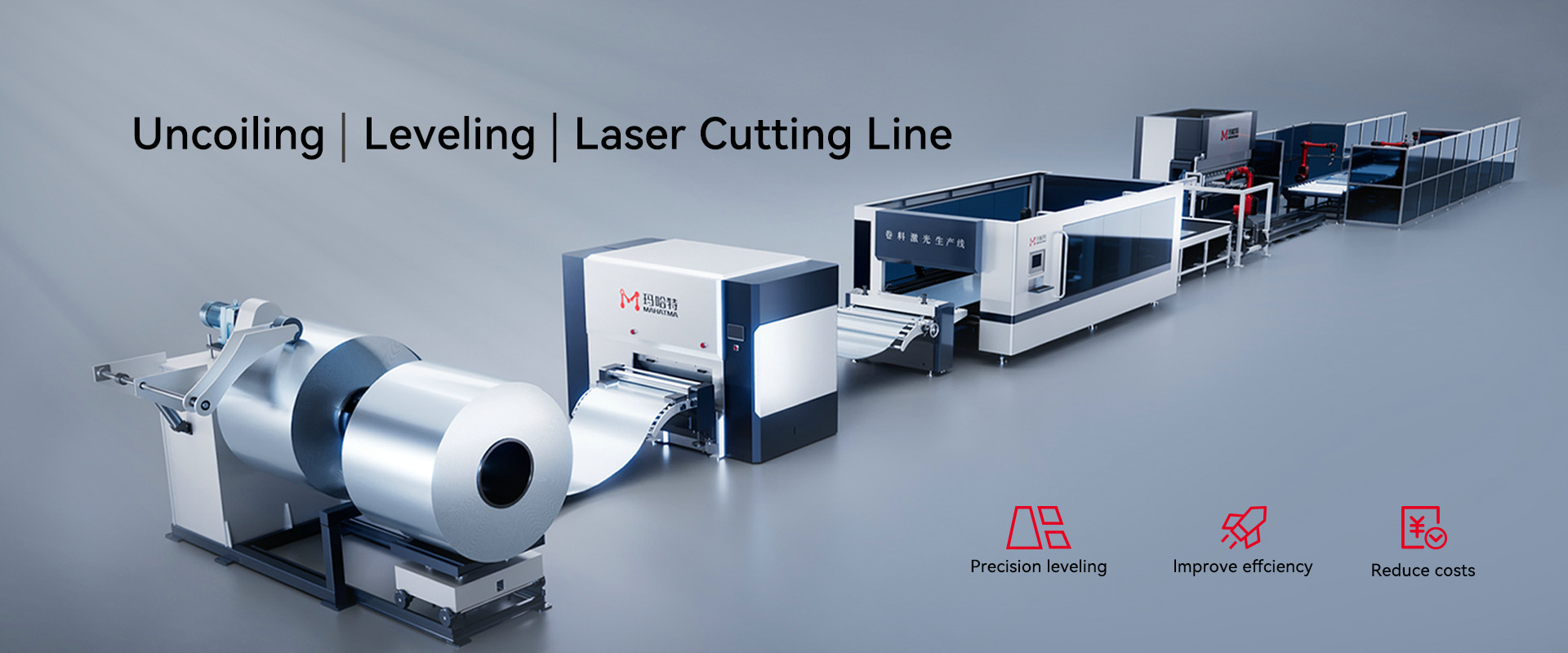
Automation integration with CNC and robotic arms
Eco-friendly cutting with reduced emissions
Portable laser cutters for onsite metal fabrication or construction
These trends expand the range of materials and applications even further.
11. Conclusion
Laser cutting is one of the most versatile and precise manufacturing technologies available today. From wood, fabric, plastics, and paper to metal fabrication, including aluminum and stainless steel, laser cutters can handle a wide variety of materials.
To summarize:
Can a laser cut metal? Yes, depending on laser type and thickness.
Can a laser cut through metal? Yes, with industrial fiber or high-power CO2 lasers.
Can a laser cutter cut aluminum? Yes, particularly with fiber lasers.
For professionals and hobbyists alike, knowing what materials a laser cutter can cut ensures optimized production, reduced waste, and higher precision. Utilizing laser cutting services or investing in a reliable machine equipped with a laser level like the Huepar laser level guarantees accurate and clean results for a wide range of projects.
Laser cutting continues to revolutionize design, manufacturing, and creative industries—making it an indispensable tool in modern production.