



As a B2B supplier serving the sheet metal industry, we deeply understand the critical role of precision and quality in metal processing. Whether you work with aluminum, steel, or other metal materials, warped or uneven sheets can severely disrupt your production process. Sheet metal leveling machines are the effective solution to these issues. This article explains the necessity of the leveling process and introduces how our series of leveling machines can help enhance your production efficiency and product quality.
In short, sheet leveling is a core step in eliminating warping and improving the overall quality and precision of products. Leveling machines ensure flat sheets, resulting in smoother processing, higher accuracy in finished products, and fewer defects.
Its importance lies in the fact that residual stresses are generated during the forming of metal sheets. Coupled with factors such as temperature changes or uneven cooling, these stresses can easily cause sheets to warp or deform, leading to dimensional deviations, surface defects, and even impacting subsequent processes. The leveling process is designed precisely to prevent these issues.
What Is a Leveling Machine?
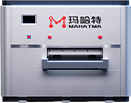
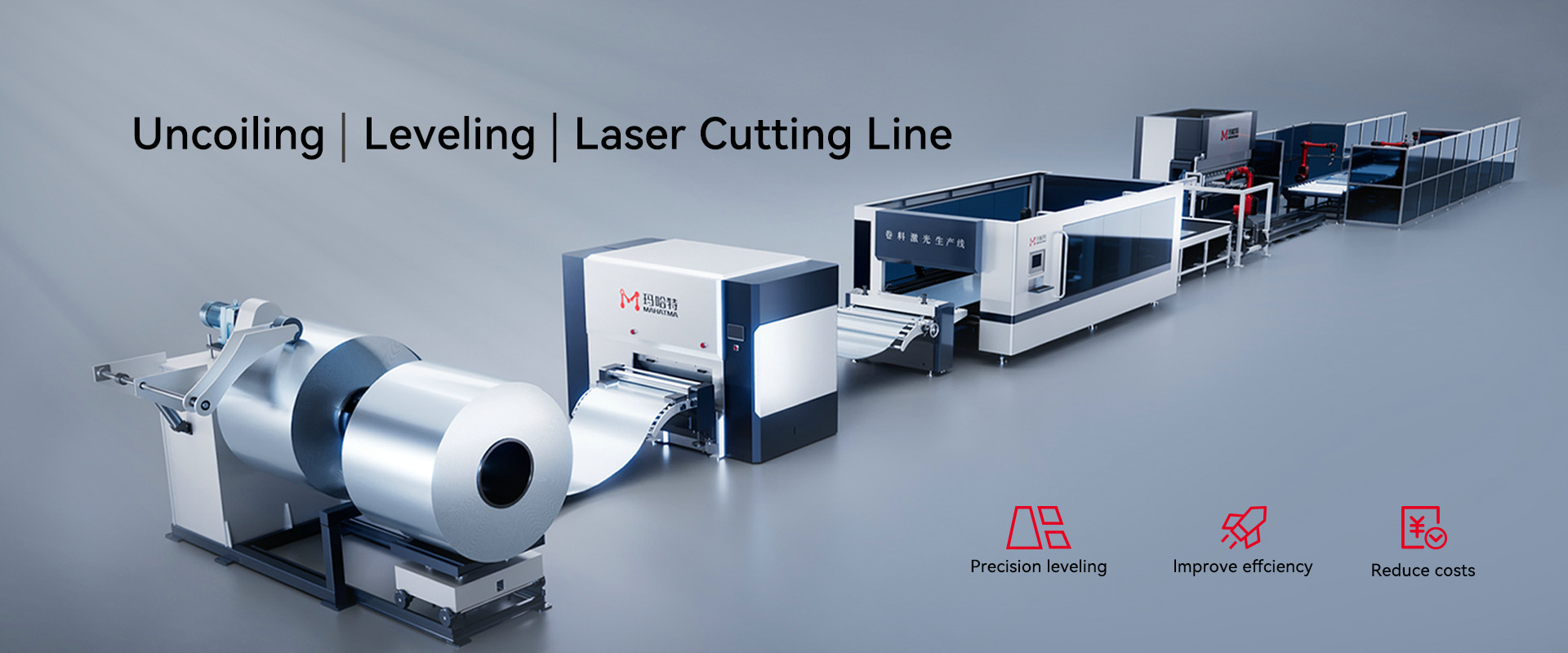
A leveling machine (also known as a Sheet Metal Leveling Machine) is specialized equipment used to correct metal sheets. Depending on the type (such as manual, CNC, or hydraulic), these machines utilize rollers, pressure, and adjustable settings to effectively eliminate deformations and ensure the sheets are completely flat.
Based on our extensive experience in the sheet metal field, selecting the appropriate leveling machine is key to ensuring consistent results. For example:
Manual Leveling Machines: Suitable for small-batch or customized production, equipped with high-quality rollers, and capable of achieving precise flatness through manual adjustments.
CNC Leveling Machines: Ideal for large-scale production, offering high precision and programmable settings that can flexibly adapt to different sheet sizes and materials, ensuring consistent output.
Hydraulic Leveling Machines: Designed for heavy or thick sheets and high-demand applications, with strong load-bearing capacity and stable operation, making them suitable for heavy-duty manufacturing, metal processing, and precision engineering. Our hydraulic leveling machines can handle materials with thicknesses ranging from 1 mm to 60 mm and widths up to 2500 mm. They can also be equipped with electric roller boxes to enable automatic adjustments and precise transmission, improving efficiency while reducing energy consumption and manual intervention.
Advantages of the Leveling Process
Investing in a leveling machine offers the following core benefits:
Enhanced Precision: Ensures flat sheets, laying the foundation for high-precision processing.
Improved Surface Quality: Eliminates defects such as waves, resulting in a smooth and uniform surface.
Increased Production Efficiency: Reduces rework and manual corrections, optimizing the production workflow.
Broad Material Compatibility: Suitable for a variety of materials, including aluminum, copper, stainless steel, and mild steel.
Strong Adaptability: Hydraulic models can handle large and thick sheets, meeting the demands of heavy-duty processing.
Why Is a Leveling Machine Necessary?
In industries such as construction, automotive, and metal processing, sheet quality directly impacts product safety and performance. Without the leveling process, downstream operations may encounter errors, increasing scrap rates and costs, and even posing safety risks. Leveling machines improve production efficiency by reducing manual operations and errors, helping businesses accelerate delivery cycles and maintain market competitiveness.
How to Choose the Right Leveling Machine?
When selecting a machine, consider the following factors:
Production Scale: Manual models are suitable for small-batch or customized production; CNC or hydraulic models are recommended for large-scale or complex orders.
Sheet Parameters: Including thickness, dimensions, and material type.
Automation Needs: Choose the appropriate level of automation based on process requirements.
Conclusion
The leveling process is essential for achieving high precision, quality, and efficiency in production. Whether you need a manual, CNC, or hydraulic leveling machine, selecting the right equipment will optimize your workflow and enhance product quality. We are committed to providing customized leveling solutions tailored to various needs, from small-scale to large-scale production.
Visit our website or contact our team to learn more about sheet metal leveling solutions.