



Laser Cutting technology has become one of the most essential manufacturing tools used across industries—from metal fabrication and signage production to electronics, automotive parts, architecture models, and small business customization. With its high precision, clean edges, and excellent repeatability, laser cutting offers capabilities that traditional cutting methods cannot achieve.
A common question many users ask is: what materials can be cut with a laser cutter?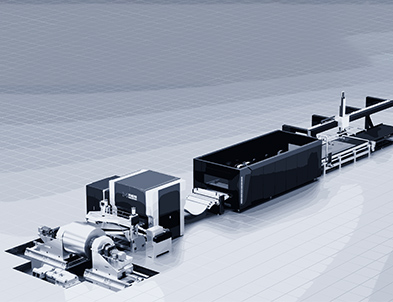
1. Understanding How Laser Cutting Works
Laser cutting uses a high-powered, focused beam of light to melt, burn, or vaporize material. The beam is guided by CNC control, enabling extremely accurate and clean cuts with minimal waste.
Laser cutters typically use CO₂, fiber, or diode laser sources. Different materials respond better to specific wavelengths, which determines the type of machine required.
2. What Materials Can Be Cut With a Laser Cutter?
Laser cutters can work with a wide range of materials, but selecting the correct laser type and power is essential for safety, precision, and efficiency.
Below is a detailed breakdown of the main categories.
3. Metals Cuttable by Laser
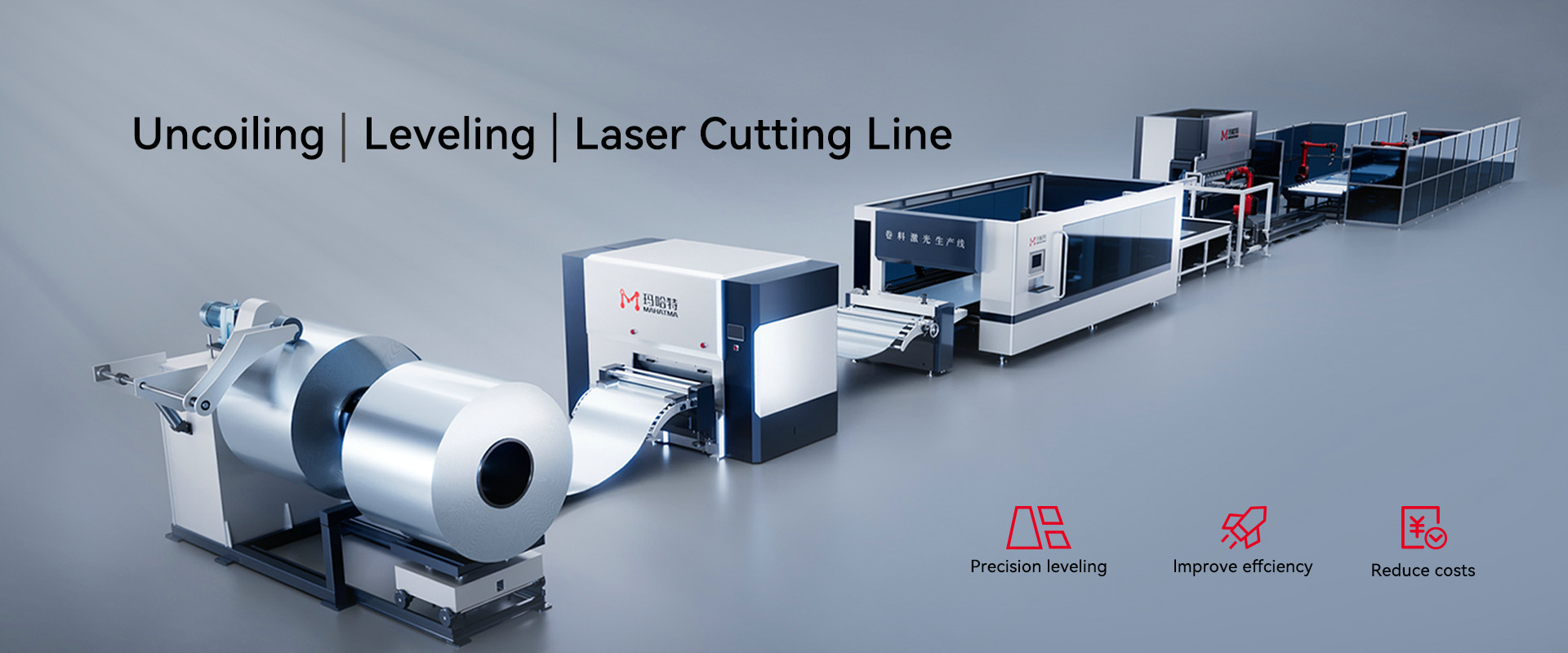
Metal cutting is one of the most common applications for industrial laser cutters—especially in Sheet Metal laser cutting operations.
3.1 Stainless Steel
Laser cutting is widely used to produce parts such as brackets, enclosures, structural components, decorative panels, and machine parts.
The process of laser cut stainless steel delivers:
Clean, burr-free edges
Fast cutting speed
High precision suitable for intricate patterns
Minimal heat-affected zone
Fiber lasers are the most commonly used for stainless steel.
3.2 Carbon Steel / Mild Steel
Carbon steel absorbs laser energy efficiently, making it easy to cut even in thick sheets.
3.3 Aluminum
Requires higher power and correct gas assistance but offers fast, clean cutting.
3.4 Copper & Brass
Highly reflective metals require specialized fiber lasers and anti-reflection protection.
3.5 Titanium & Alloys
Used in aerospace and medical industries, laser cutting provides precise and stable results.
4. What Wattage Laser to Cut Steel?
A key factor in metal cutting performance is laser wattage. Users often ask what wattage laser to cut steel effectively. Below is a common guideline:
| Steel Thickness | Recommended Laser Wattage |
|---|---|
| 1–2 mm | 500W – 1kW fiber laser |
| 3–6 mm | 1.5kW – 3kW |
| 6–12 mm | 4kW – 6kW |
| 12–20 mm | 8kW – 12kW |
| 20–30+ mm | 12kW – 30kW industrial lasers |
Higher wattages allow faster speeds and cleaner edges.
For professional machining and sheet metal laser cutting, most factories use 3kW–12kW fiber laser systems.
5. Non-Metals Cuttable With a Laser Cutter
Laser cutters are very versatile and can cut many non-metal materials, especially with CO₂ lasers.
5.1 Wood
Laser cutting is popular for:
Furniture
Models
Signboards
Packaging
Craft products
Woods such as plywood, birch, pine, MDF, and bamboo cut cleanly with minimal charring.
5.2 Acrylic (PMMA)
Produces polished, flame-smooth edges. Widely used for displays, signs, lighting fixtures, and architecture models.
5.3 Plastics
Many plastics can be laser-cut, such as:
ABS
PET
Polypropylene
Delrin
Polycarbonate (thin only)
Important: PVC cannot be lasercut due to harmful chlorine fumes.
5.4 Rubber
Used for seals, gaskets, and industrial components.
5.5 Leather & Textiles
Laser cutting is widely used in fashion, footwear, and upholstery industries.
Materials include:
Genuine leather
PU leather
Felt
Cotton, polyester, linen
Technical fabrics
5.6 Paper & Cardboard
Perfect for packaging prototypes, invitations, and craft engravings.
5.7 Foam
Foam used in protective packaging and tool organizers cuts extremely well with CO₂ lasers.
6. Materials Not Suitable for Laser Cutting
Some materials cannot be safely cut due to toxic fumes or melting behavior:
PVC & Vinyl (releases chlorine gas)
Polycarbonate over 3 mm
Fiberglass
Foam containing chlorine
Highly reflective metals using CO₂ lasers
Glass (cutting possible only with special systems)
Understanding material compatibility is essential for both hobbyists and professional laser cutting service providers.
7. Choosing the Best Laser Cutter for Small Business
Many entrepreneurs today seek a compact, affordable machine to start custom product businesses. Selecting the best laser cutter for small business depends on materials you plan to cut.
Recommended Options for Small Business
✔ For engraving & light cutting (wood, acrylic, leather):
CO₂ 40W–80W desktop machines
✔ For detailed engraving (gifts, crafts, branding):
Diode laser systems (10W–40W)
✔ For metal cutting:
1kW–3kW fiber laser systems
These are ideal for startup metal workshops and prototyping services.
If your business focuses heavily on engraving, the best laser engraver for small business is typically a compact CO₂ or diode machine with:
High resolution
Fast engraving speeds
Simple software
Affordable maintenance
8. Small Businesses That Benefit Most From Laser Cutting
Laser cutters have opened opportunities in many sectors:
8.1 Custom Gifts & Branding
Cutting wooden plaques
Personalized phone cases
Corporate gifts
Leather wallets & keychains
8.2 Decoration & Craft Business
Miniature architecture designs
Wall art
Signboards
Event decorations
DIY craft kits
8.3 Jewelry Studio
Stainless steel pendants
Gold & silver pattern cutting
Acrylic accessories
8.4 Startup Metal Workshop
Brackets
Machine parts
Prototyping
Small-batch custom laser cutting
Laser cutters can bring high profitability, especially for online stores and local fabrication services.
9. Industrial Uses of Laser Cutting
Large manufacturing companies rely on laser technology for:
sheet metal laser cutting of structural parts
Automotive body components
Aerospace precision parts
Electronics enclosures
Machine tooling
High-volume mass production
With high accuracy and automation capability, laser systems deliver efficiency that traditional cutting cannot match.
10. Custom Laser Cutting Services (Professional Applications)
A laser cutting service typically provides:
Metal cutting (steel, aluminum, stainless steel)
Custom shapes for architecture and engineering
Acrylic signboards
Prototyping and production engineering
Precision parts machining
Engraving services
Industrial service centers often operate high-power fiber lasers from 6kW to 20kW to handle thick metal plates and demanding tolerances.
11. Summary: What Materials Can Be Cut With a Laser Cutter?
To finalize the question:
What materials can be cut with a laser cutter?
In general, laser cutters can cut:
Metals
Stainless steel
Carbon steel
Aluminum
Brass
Copper
Titanium
Non-Metals
Wood
Acrylic
Plastics
Leather
Fabrics
Rubber
Paper
Foam
The key is choosing the right laser type and the correct wattage—especially when determining what wattage laser to cut steel effectively.
Conclusion
Laser cutting has become an essential technology for both professional manufacturers and small business owners. Its ability to cut diverse materials—including metals, plastics, wood, rubber, and textiles—makes it a versatile tool for modern production. Whether you are exploring the best laser cutter for small business, looking for a professional laser cutting service, or planning to offer custom laser cutting solutions, understanding material compatibility and power requirements is the foundation for successful operation.